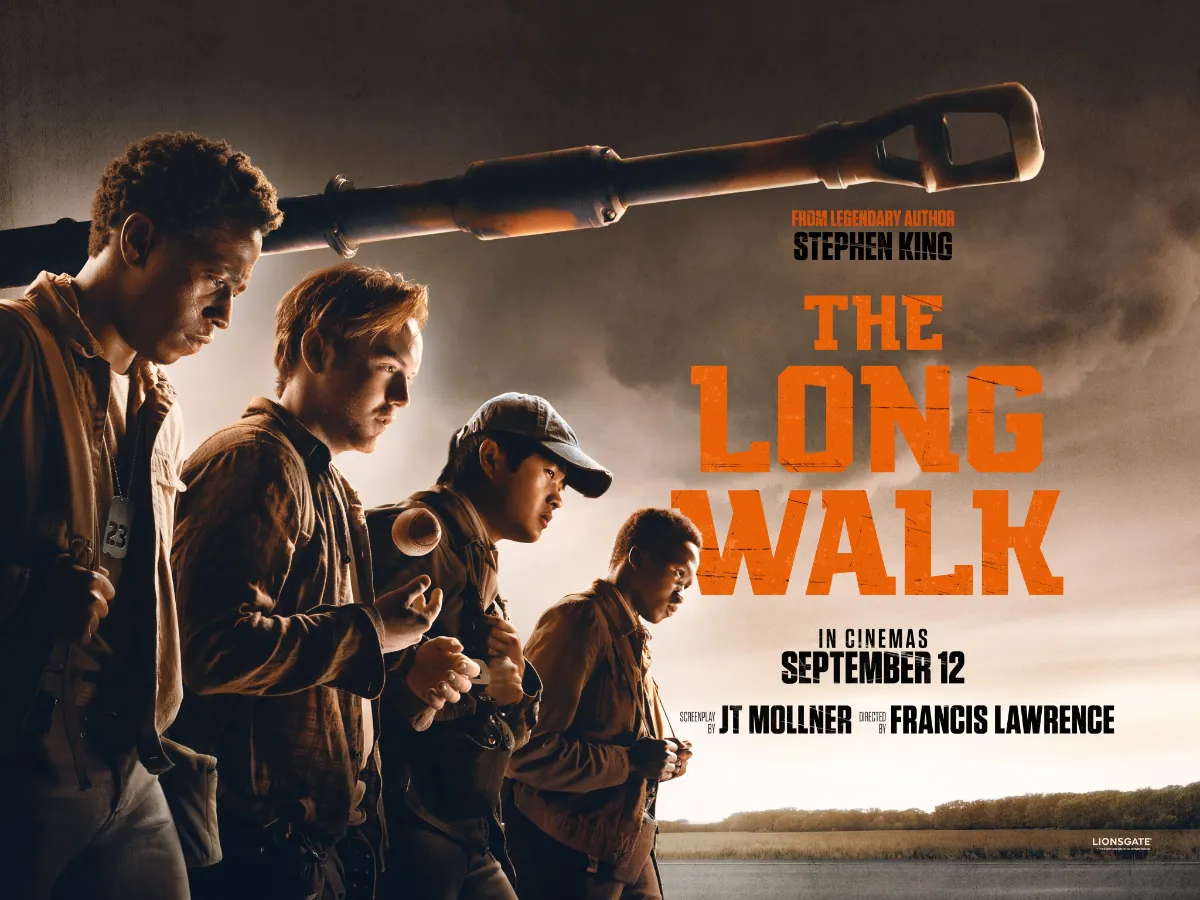
Warning: This article contains spoilers for the 2025 film The Long Walk.
The recent film adaptation of Stephen King’s novel, The Long Walk, has captivated audiences with its chilling premise: a grueling, government-sanctioned endurance contest where teenagers must keep walking or die.
How many miles have they walked in total?
In the 2025 film version of The Long Walk, the final two contestants walked 331 miles over the course of five days.
Differences from the book
The movie changed a few details regarding the distance and speed of the Walk, primarily to make the contest more realistic for a film adaptation:
- Book: The 100 walkers had to maintain a speed of at least 4 miles per hour. The journey was around 450 miles and ended in Massachusetts.
- Film: The 50 walkers only had to maintain a pace of 3 miles per hour. This resulted in a shorter, 331-mile route that ends in a large city in Maine.
Is it possible for a man to continue walking 331 miles without any break?
It is not possible for a human to walk 331 miles without any break and survive. The human body requires sleep, food, and water to function and recover from physical stress. A continuous, non-stop walk of that length would result in extreme physical and psychological damage, and likely death.
Here’s a breakdown of why this is humanly impossible:
- The need for sleep: The absolute maximum time a human has voluntarily stayed awake is 11 days, and that was without the added exertion of walking. Most people experience severe fatigue, disorientation, and even hallucinations after just 48 hours without sleep. Walking without sleep for five straight days, as the fictional event would require, would cause a person to collapse from exhaustion long before reaching the 331-mile mark.
- The need for rest: Walking for multiple days without rest causes immense strain on the musculoskeletal system. Without breaks for muscles to relax, waste products like lactic acid would build up, leading to severe pain and muscle failure.
- The need for hydration: A person walking for an extended period, even at a moderate pace, needs to constantly replenish fluids and electrolytes to avoid dangerous dehydration. Without water, a person cannot survive for more than a few days.
- The need for energy: Sustained walking burns an enormous amount of calories. Without food, the body would enter a state of starvation, leading to a drastic loss of strength and eventually, organ failure.
- Record vs. Reality: In a real-world, non-stop ultra-marathon, the longest distance ever walked without sleep is 350 miles, completed over 80 hours by a trained athlete. This was a walking/running event with breaks, and even at that extreme level, it’s far short of the fictional 331-mile distance in five days without any break at all. In fact, people who embark on record-setting long walks across continents or around the world take regular, planned breaks for sleep, food, and recovery.
The story’s true focus: The human element
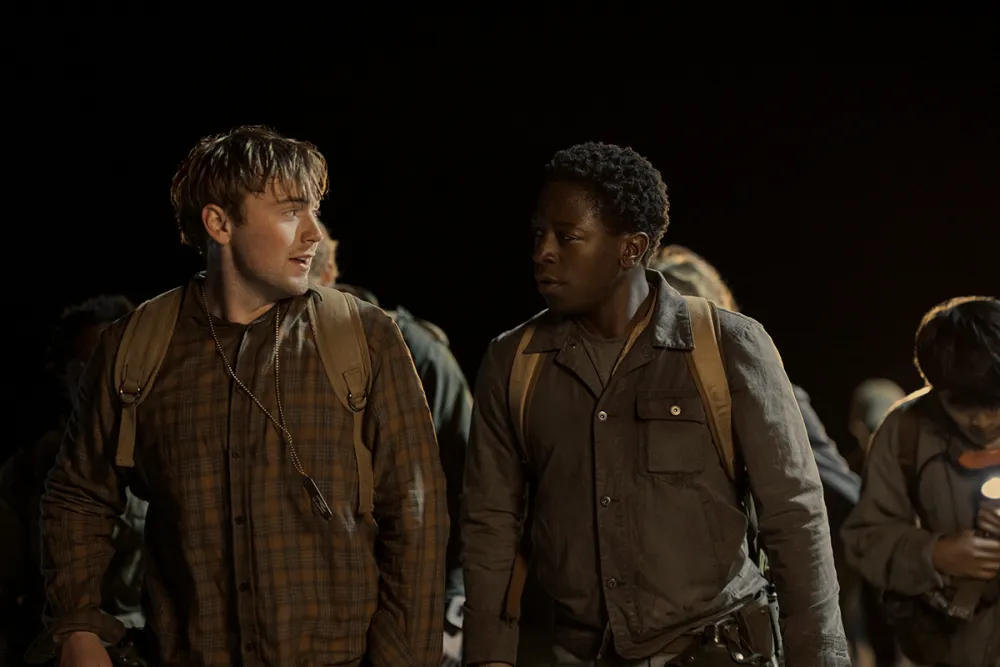
Ultimately, the power of King’s story is in its exploration of the human will to survive. By focusing on the strained interactions between the participants, the narrative offers a compelling and disturbing spectacle. The viewers are not meant to believe the walk is possible but to understand that the circumstances force ordinary teenagers into an impossible situation. The real drama unfolds in the bonds of friendship and despair that form as the contestants confront the immutable truth of their ordeal.
This serves as a powerful testament to the psychological toll of such a contest, making the film a grim but meaningful exploration of human nature, resilience, and the capacity for both cruelty and compassion.