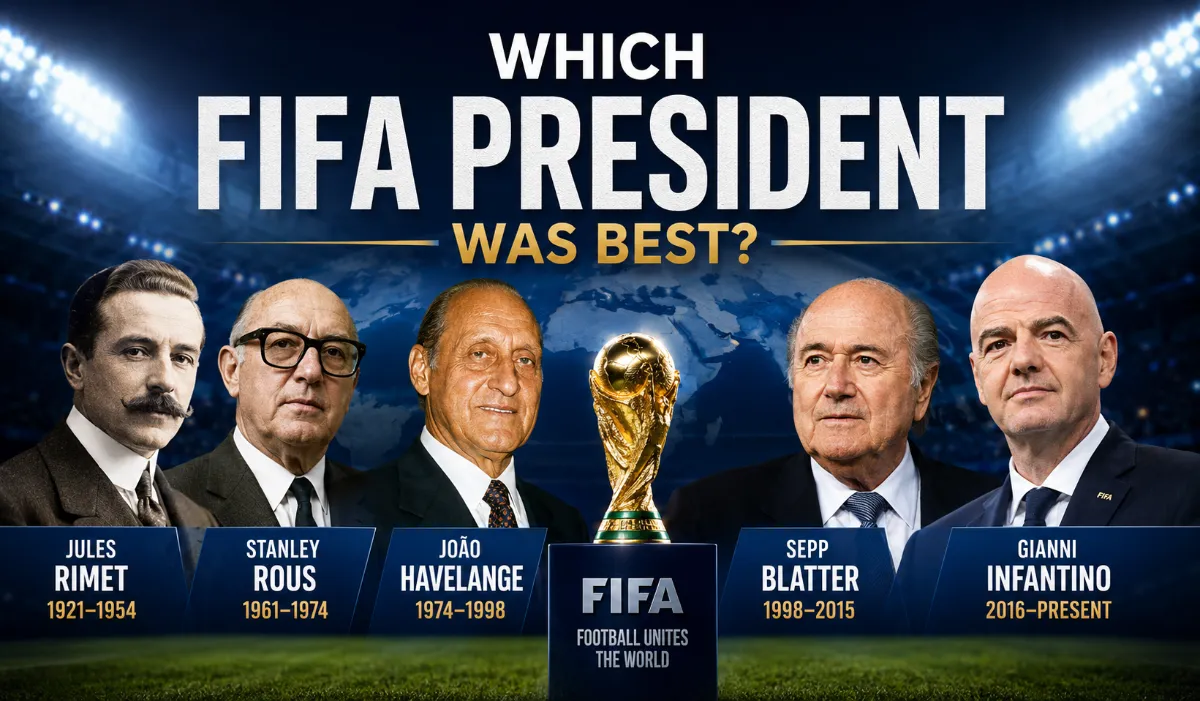
Football’s governing body has existed for more than a century, but its leaders have left dramatically different legacies. Some expanded the game into every corner of the world. Others modernized tournaments and finances. A few became synonymous with corruption scandals. So, which FIFA president deserves to be called the best? The answer depends on what qualities matter most.
As the governing body of world football, FIFA has enormous influence over the sport. From organizing the FIFA World Cup to developing football in emerging nations, the organization’s decisions shape the future of the world’s most popular game.
Behind every major decision stands the FIFA president. Since FIFA’s founding in 1904, only a handful of individuals have held the position. Their achievements—and failures—have transformed football in ways both inspiring and controversial.
Judging the “best” FIFA president isn’t straightforward. Should success be measured by football’s global growth, financial strength, tournament expansion, governance, or ethical leadership? Each presidency excelled in some areas while falling short in others.
This article examines every major FIFA president, their accomplishments, controversies, and overall impact before determining who has the strongest claim to being FIFA’s greatest leader.
What Does a FIFA President Actually Do?
The FIFA president is far more than a ceremonial figure.
The role involves:
- Representing FIFA internationally
- Leading the FIFA Council
- Setting strategic priorities
- Overseeing football development programs
- Managing relationships with national associations
- Negotiating commercial partnerships
- Guiding World Cup organization
- Influencing rule-making alongside IFAB
Although the president doesn’t make every decision personally, their leadership style significantly influences FIFA’s direction.
The FIFA Presidents Throughout History
Robert Guérin (France)
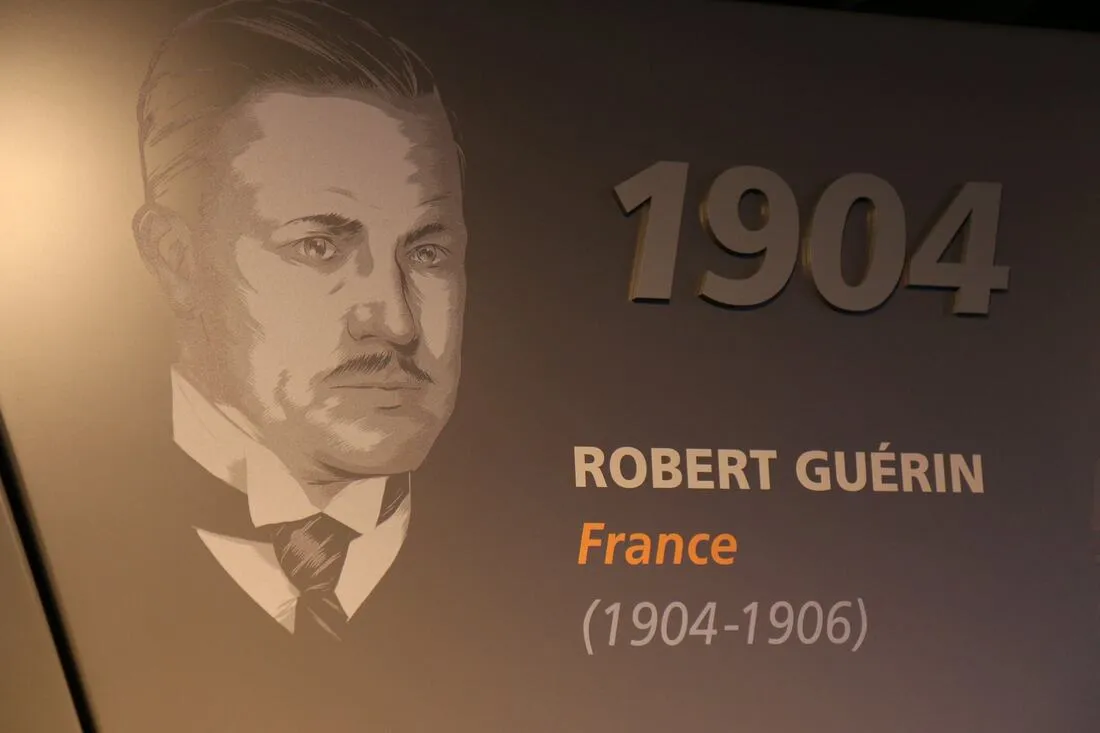
1904–1906
Robert Guérin became FIFA’s first president at only 28 years old.
His greatest achievement was helping establish FIFA itself. At the time, international football was still fragmented, and convincing national associations to cooperate was an enormous challenge.
Legacy
- Founded FIFA
- Built initial international cooperation
- Created the foundation for future growth
His presidency was brief but historically important.
Daniel Burley Woolfall (England)
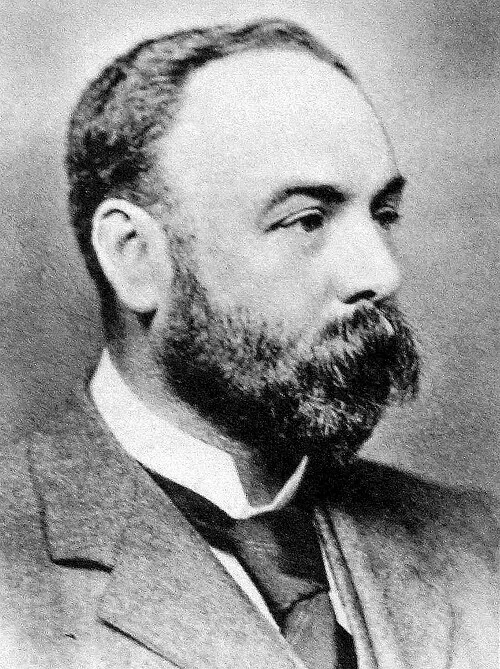
1906–1918
Woolfall strengthened FIFA’s organizational structure.
He promoted standardized rules and expanded international competitions. His presidency, however, was interrupted by World War I.
Legacy
- Improved governance
- Strengthened international rules
- Helped stabilize the young organization
Jules Rimet (France)
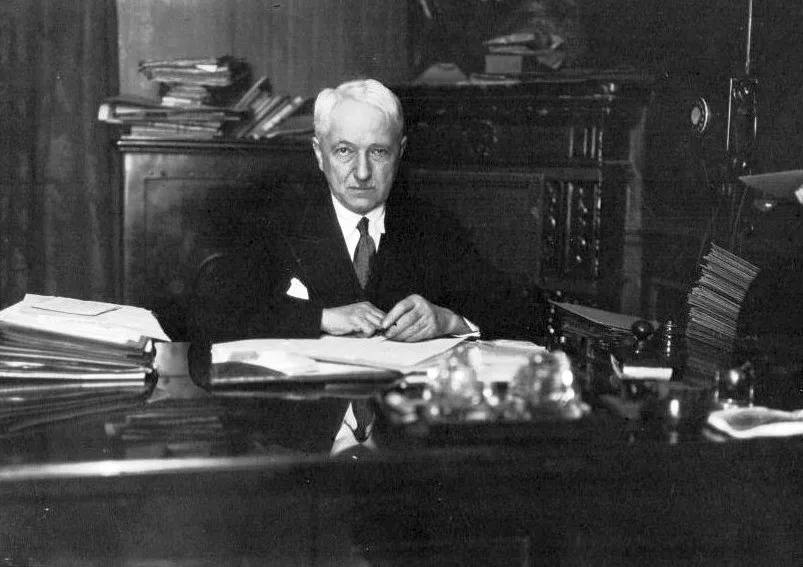
1921–1954
If one president transformed football forever, it was Jules Rimet.
His 33-year presidency remains the longest in FIFA history.
Most importantly, he created the FIFA World Cup.
The Birth of the World Cup
Before 1930, Olympic football served as the largest international tournament.
Rimet believed football deserved its own global championship.
Despite economic depression and travel difficulties, he launched the inaugural World Cup in Uruguay in 1930.
Only 13 nations participated.
Today, it is the world’s biggest sporting event.
Other Achievements
- Expanded FIFA membership dramatically
- Promoted football across continents
- Maintained FIFA through World War II
- Established football as a truly global sport
Weaknesses
Governance standards were far less developed during his era, although no major corruption allegations define his legacy.
Overall Impact
Without Jules Rimet, modern international football might look completely different.
Rodolphe Seeldrayers (Belgium)
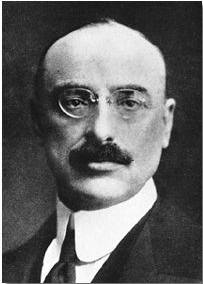
1954–1955
His presidency lasted less than a year before his death.
Although respected, he had limited opportunity to leave a lasting mark.
Arthur Drewry (England)
1955–1961
Drewry helped FIFA adapt to football’s rapid post-war growth.
His administration continued expanding international competitions.
Stanley Rous (England)
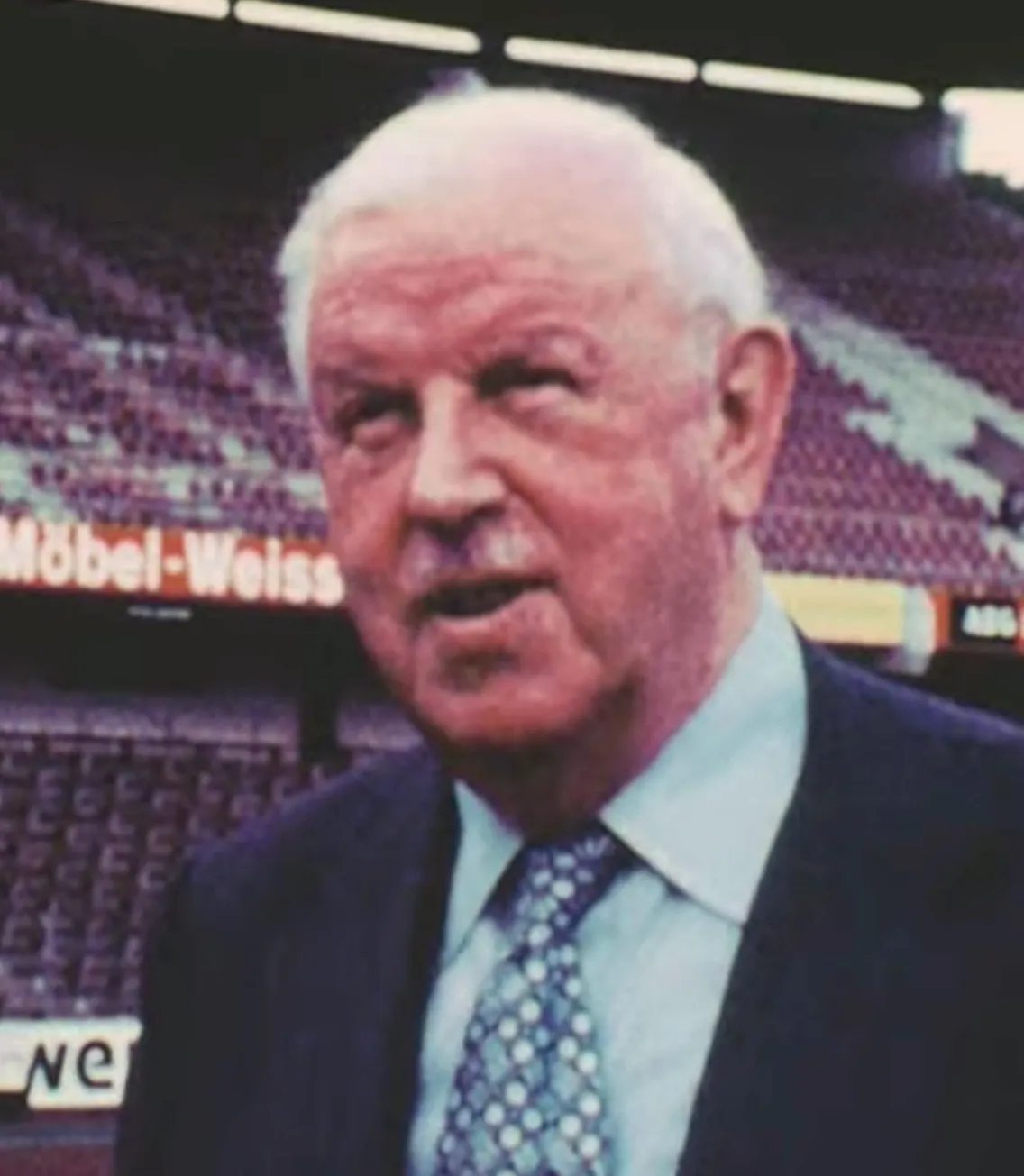
1961–1974
Stanley Rous was an experienced football administrator.
He promoted fair play and modernization but struggled politically as football expanded beyond Europe.
Achievements
- Modernized administration
- Promoted technical improvements
- Increased FIFA’s professionalism
Criticism
His reluctance to embrace political changes in world football weakened his influence among developing nations.
João Havelange (Brazil)
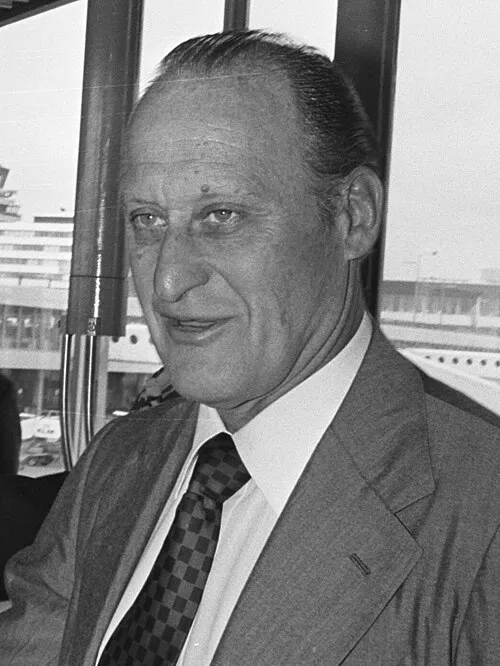
1974–1998
No FIFA president changed football’s commercial landscape more than João Havelange.
When he took office, FIFA was relatively modest financially.
By the time he left, football had become a global commercial powerhouse.
Major Achievements
- Expanded the World Cup from 16 to 24 and later 32 teams
- Created new youth competitions
- Launched Women’s World Cup
- Expanded sponsorship deals
- Increased television revenue enormously
- Helped football reach Africa, Asia, and North America
Development Programs
Many smaller football associations benefited from increased funding during his presidency.
For countless nations, FIFA became an important source of football infrastructure.
Controversies
Unfortunately, Havelange’s legacy is heavily damaged by later corruption findings.
Investigations connected him to long-running bribery schemes involving marketing rights.
Although many achievements remain undeniable, ethical concerns significantly overshadow them.
Sepp Blatter (Switzerland)
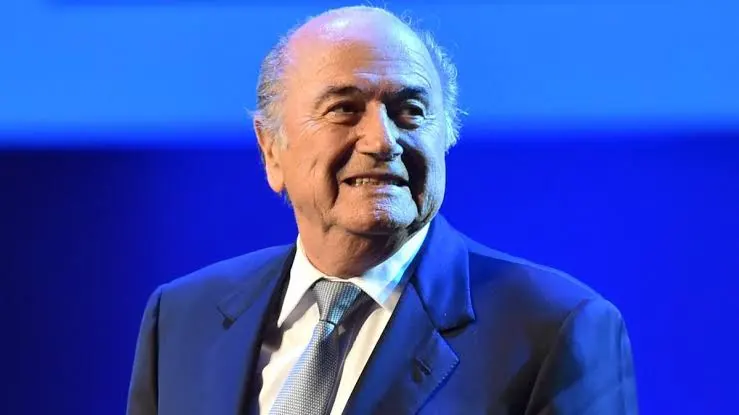
1998–2015
Few sporting leaders are more controversial than Sepp Blatter.
His presidency combined unprecedented football expansion with one of sport’s biggest corruption scandals.
Positive Contributions
Blatter oversaw:
- Massive increases in FIFA revenue
- Greater investment in developing countries
- Expansion of women’s football
- Growth of youth competitions
- Club World Cup development
- Goal-line technology introduction
- Financial assistance to smaller associations
Many football federations across Africa, Asia, Oceania, and the Caribbean strongly supported him because FIFA funding increased substantially.
Major Criticism
The positives cannot be separated from the scandals.
His administration became associated with:
- Corruption investigations
- Vote-buying allegations
- Lack of transparency
- Governance failures
- Ethics controversies
Although Blatter consistently denied personal wrongdoing in many cases, the 2015 FIFA corruption investigations severely damaged FIFA’s reputation.
His suspension effectively ended one of football’s longest presidencies.
Gianni Infantino (Switzerland/Italy)
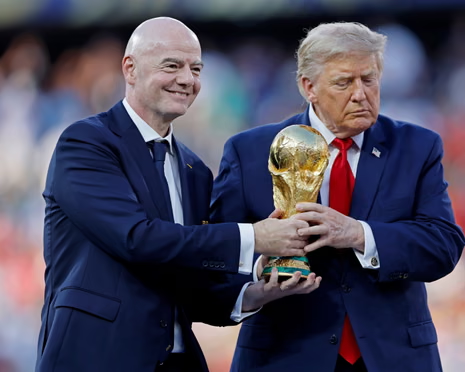
2016–Present
Infantino inherited an organization facing a credibility crisis.
His primary challenge was restoring public trust while continuing football’s global growth.
Major Achievements
Expanded World Cup
The men’s FIFA World Cup will feature 48 teams instead of 32.
Supporters argue this gives more countries an opportunity to compete.
Critics worry it reduces tournament quality.
Women’s Football
Investment in women’s football has increased significantly.
Prize money has grown considerably compared with previous tournaments.
Women’s competitions now receive far greater global attention.
Financial Growth
FIFA revenues have continued to increase.
Development funding for member associations has also expanded.
Technology
His presidency accelerated the use of:
- VAR
- Semi-automated offside technology
- Enhanced player tracking
- Improved digital broadcasting
Criticism
Infantino’s administration remains controversial.
Critics point to:
- Governance concerns
- Close relationships with political leaders
- The awarding and defense of controversial World Cups
- Questions regarding FIFA’s transparency
Supporters argue he has modernized FIFA while making football more inclusive globally.
Comparing the Greatest FIFA Presidents
| President | Football Growth | World Cup Impact | Commercial Success | Governance | Overall Legacy |
|---|---|---|---|---|---|
| Jules Rimet | ★★★★★ | ★★★★★ | ★★★ | ★★★★ | Historic |
| João Havelange | ★★★★★ | ★★★★★ | ★★★★★ | ★ | Transformational but controversial |
| Sepp Blatter | ★★★★★ | ★★★★ | ★★★★★ | ★ | Highly controversial |
| Gianni Infantino | ★★★★ | ★★★★★ | ★★★★★ | ★★★ | Still evolving |
| Stanley Rous | ★★★ | ★★★ | ★★★ | ★★★★ | Respected |
Different Ways to Define “Best”
If innovation matters most
Jules Rimet wins for creating the FIFA World Cup.
Without his vision, international football would never have become today’s global spectacle.
If commercial growth matters most
João Havelange transformed FIFA from a relatively small organization into a financial giant.
Modern football’s enormous revenues owe much to his commercial strategy.
If developing nations matter most
Both Havelange and Blatter significantly increased financial support for smaller football associations.
Many countries experienced unprecedented football development during their presidencies.
If ethics matter most
No FIFA president has a completely spotless record, but Jules Rimet’s reputation remains considerably stronger than many later presidents.
The corruption scandals surrounding Havelange and Blatter make it difficult to rank them above him despite their transformative achievements.
So, Which FIFA President Was the Best?
The strongest overall case belongs to Jules Rimet.
His greatest achievement was not merely managing FIFA—it was fundamentally reinventing international football. Creating the FIFA World Cup in 1930 provided the sport with a global stage that has grown into the world’s most-watched single-sport event. His long tenure also helped FIFA survive economic hardship, political instability, and World War II while steadily expanding its international reach.
João Havelange arguably had an even greater impact on football’s commercialization and global expansion, but corruption findings have significantly tarnished his legacy. Likewise, Sepp Blatter oversaw remarkable financial growth and development programs, yet the governance failures associated with his administration make it difficult to place him at the top.
Gianni Infantino’s presidency is still unfolding. His expansion of tournaments, embrace of new technologies, and continued investment in global football may ultimately strengthen his standing, but historians will need more time to judge his full legacy.
When balancing vision, long-term influence, innovation, and historical significance, Jules Rimet remains the benchmark against which all FIFA presidents are measured.
Final Thoughts
Every FIFA president inherited a different version of football.
Robert Guérin founded the organization. Stanley Rous professionalized it. João Havelange commercialized it. Sepp Blatter globalized its finances. Gianni Infantino continues to reshape its competitions and technology.
Yet none altered the course of football as profoundly as Jules Rimet. By creating the FIFA World Cup and championing football as a truly international sport, he laid the foundation for everything FIFA has become.
The debate over the “best” FIFA president will always involve differing priorities—whether one values innovation, commercial success, global expansion, or ethical governance. Even so, Rimet’s enduring contribution gives him a compelling claim to the title.
Author’s Verdict
- Jules Rimet — The visionary who gave the world the FIFA World Cup.
- João Havelange — Revolutionized football’s global reach and commercial success, though his legacy is overshadowed by corruption.
- Gianni Infantino — Modernized FIFA with expanded tournaments and technology, but his legacy is still being written.
- Stanley Rous — A respected administrator who strengthened FIFA’s professionalism during a pivotal era.
- Sepp Blatter — Expanded football worldwide and increased FIFA’s wealth, but the corruption scandals of his tenure significantly undermine his historical standing.