Thrillers often rely on patience. They slowly build tension, layer mysteries, and wait until the final act to explode. Many great films follow this formula.
But some thrillers choose a different path.
Instead of slowly tightening the suspense, these movies throw the audience straight into chaos and refuse to slow down. Every scene pushes the story forward. Every decision raises the stakes. And before viewers have time to breathe, the next crisis is already unfolding.
When pacing works like this, the audience stops feeling like observers and starts feeling like participants in the story.
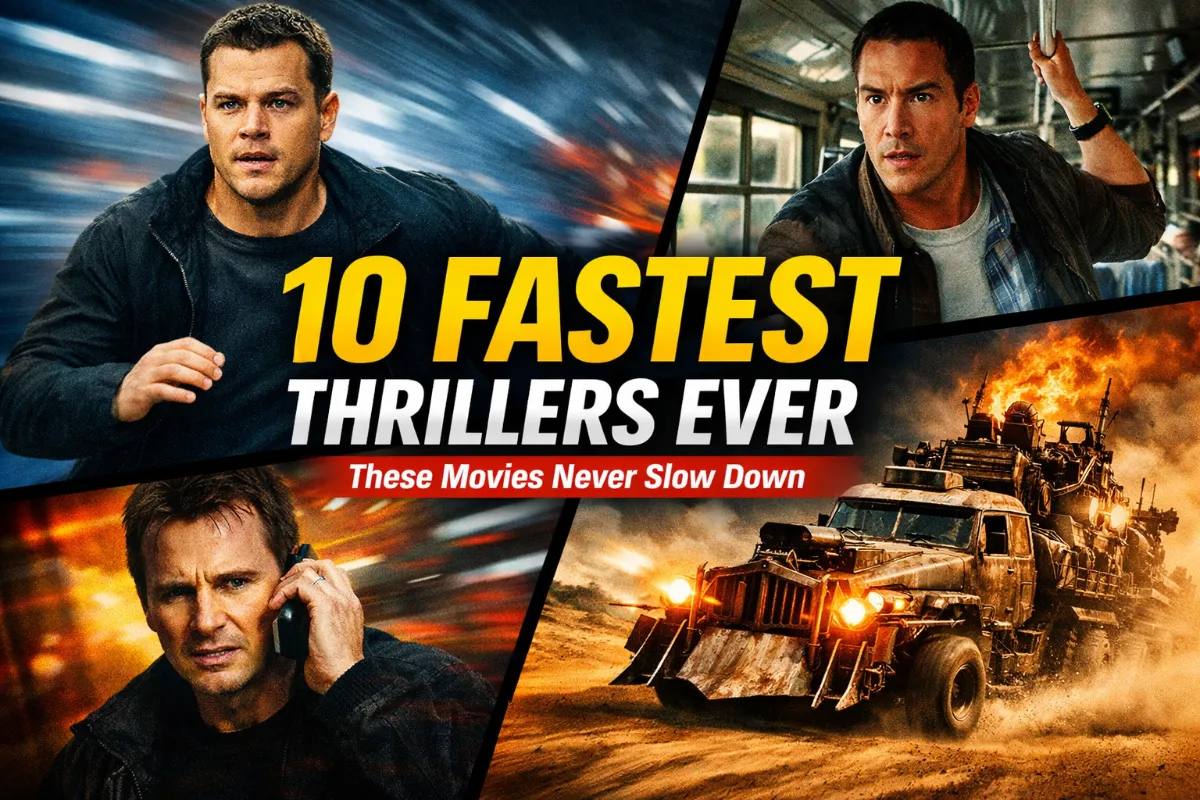
Here are ten thriller movies that never take their foot off the gas.
10. The Hateful Eight (2015)
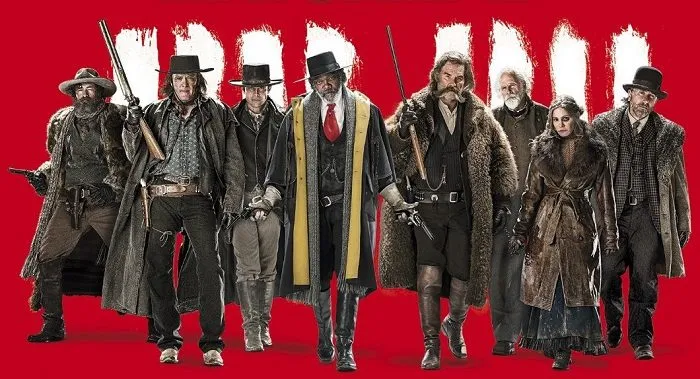
Quentin Tarantino’s The Hateful Eight may seem like an unlikely entry on a list of fast-paced thrillers. The film is nearly three hours long and takes place largely in a single location.
Yet the tension moves at a relentless pace.
Set in the years following the American Civil War, the story follows bounty hunter John “The Hangman” Ruth as he transports his prisoner Daisy Domergue to the town of Red Rock to be executed. Along the journey, he is forced to share a stagecoach with two strangers: Major Marquis Warren, a former Union soldier turned bounty hunter, and Chris Mannix, a man claiming to be the new sheriff of Red Rock.
When a violent blizzard forces them to seek shelter at a remote stopover known as Minnie’s Haberdashery, the group finds several other suspicious individuals already inside.
From that moment forward, paranoia fills the room.
Every character has a story. Every story feels questionable. Every conversation seems like it might trigger violence.
Tarantino turns the cabin into a pressure cooker where suspicion builds with every line of dialogue. With the blizzard raging outside and eight dangerous personalities trapped together, the tension keeps escalating until the inevitable explosion.
9. Heat (1995)
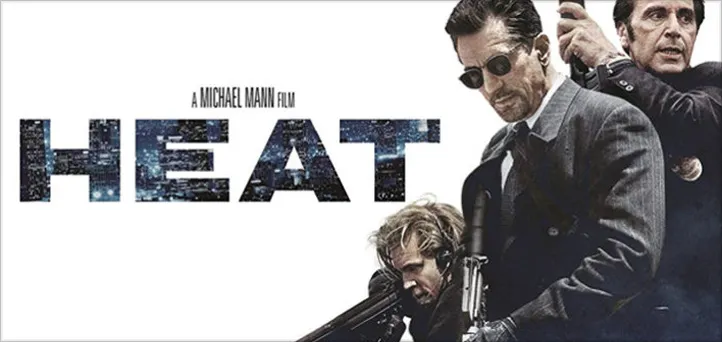
Michael Mann’s Heat is often remembered for its iconic shootouts, but the film’s true strength lies in its constantly evolving game between two professionals.
On one side is Vincent Hanna, a dedicated Los Angeles detective whose obsession with his work is destroying his personal life. On the other is Neil McCauley, a disciplined career criminal who lives by a strict code that keeps him emotionally detached from everything around him.
Their worlds collide when a robbery goes wrong and Hanna begins tracking McCauley’s crew.
What follows is a tense battle of intelligence and patience. Surveillance, counter-surveillance, planning, and strategic misdirection become the film’s core mechanics.
The pacing of Heat works because it never stays still. Just as one side believes it has gained the advantage, the other adjusts and pushes the story in a new direction.
Even when the film explores subplots—romantic relationships, personal struggles, and moral dilemmas—it never loses sight of the inevitable collision between these two men.
8. Mad Max: Fury Road (2015)
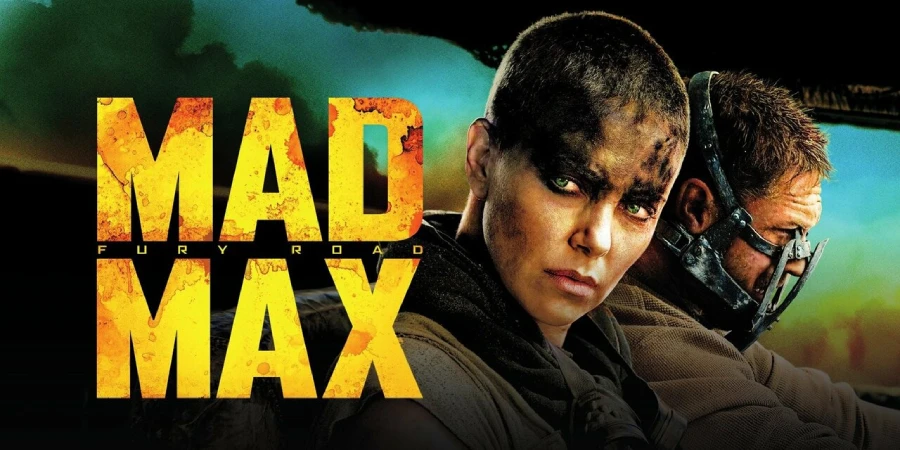
George Miller’s Mad Max: Fury Road is often described as a two-hour chase scene—and that description is surprisingly accurate.
The film follows Max Rockatansky, a lone drifter captured by the tyrannical warlord Immortan Joe and his fanatical army. The story truly begins when Joe’s trusted lieutenant, Imperator Furiosa, betrays him by escaping with five women who were being held as his captives.
Her escape triggers a massive pursuit across the desert.
From that moment on, the film barely slows down.
Explosions, crashes, and elaborate vehicle battles dominate the landscape as Furiosa, Max, and their allies try to outrun Joe’s relentless army. Yet despite the constant action, the movie never feels chaotic or meaningless.
Every stunt reveals something about the characters or the world they inhabit.
Instead of slowing the pace for long explanations, the film allows the audience to understand the story through movement, conflict, and survival.
7. Uncut Gems (2019)
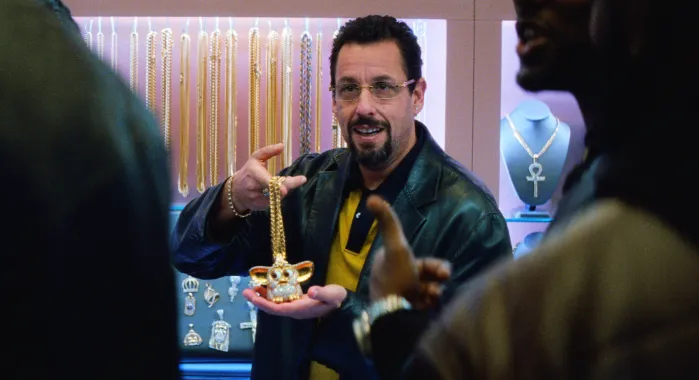
Few films manage to recreate the feeling of pure stress like Uncut Gems.
The story centers on Howard Ratner, a New York jeweler and compulsive gambler who is always chasing the next big score. His life is already collapsing—his marriage is falling apart, creditors are closing in, and his reckless behavior continues to create new enemies.
Then he acquires an incredibly rare black opal from Ethiopia.
When basketball star Kevin Garnett becomes fascinated with the gem, Howard sees an opportunity to solve all his problems with one bold gamble.
But instead of fixing his life, each new decision makes things worse.
The film’s pacing reflects Howard’s chaotic mindset. Conversations overlap, phones ring nonstop, and the story jumps rapidly from one crisis to another.
The audience barely has time to process a mistake before Howard makes another one.
That relentless rhythm turns Uncut Gems into one of the most anxiety-inducing thrillers ever made.
6. Speed (1994)
Sometimes the best thrillers come from the simplest ideas.
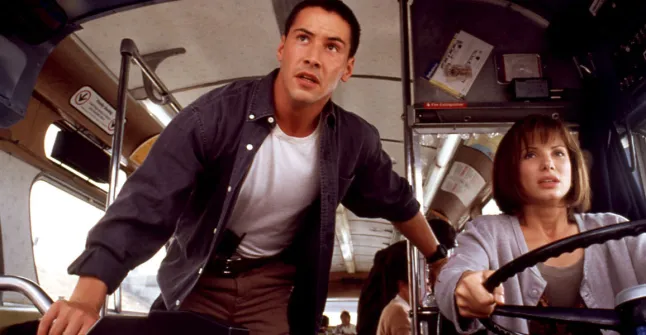
In Speed, an LAPD officer named Jack Traven becomes trapped in a deadly situation when a bomber rigs a city bus with explosives that will detonate if the vehicle drops below 50 miles per hour.
Suddenly, a routine day turns into a high-stakes race against time.
With passengers panicking and the city scrambling to help, Jack must find ways to keep the bus moving while also trying to stop the criminal responsible.
The brilliance of Speed lies in its simplicity. The film sticks closely to its central premise and continually raises the stakes.
Every solution creates a new problem.
Every escape leads to another obstacle.
The result is a thriller that keeps escalating until the tension becomes almost unbearable.
5. Die Hard (1988)
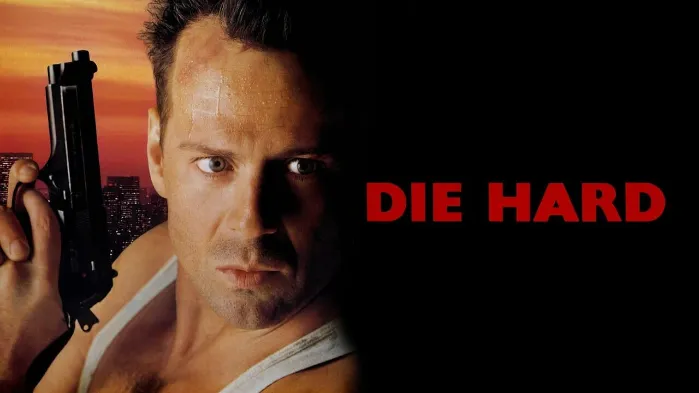
Few action thrillers have influenced cinema as much as Die Hard.
The story follows New York police officer John McClane, who travels to Los Angeles hoping to repair his troubled marriage. Instead, he walks straight into a terrorist takeover at Nakatomi Plaza during a company Christmas party.
While the hostages are captured, McClane manages to escape and begins fighting back alone.
From that point forward, the film becomes a nonstop battle of survival.
McClane sabotages the criminals’ plans piece by piece while their leader, Hans Gruber, attempts to maintain control of the situation.
What makes Die Hard so gripping is the vulnerability of its hero. McClane isn’t an unstoppable action star—he gets injured, exhausted, and overwhelmed.
That realism keeps the tension high as the story races toward its explosive finale.
4. Snowpiercer (2013)
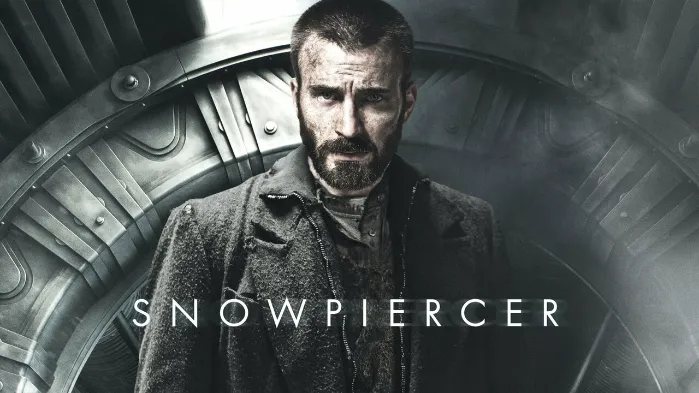
Snowpiercer transforms a single location into a thrilling and thought-provoking journey.
The story takes place in a frozen future where the last survivors of humanity live aboard a massive train that continuously circles the globe.
Inside the train, society is divided by extreme class inequality. The wealthy live comfortably at the front while the poor are crammed into the miserable tail section.
Eventually, the oppressed passengers launch a rebellion.
Led by Curtis Everett, the rebels begin fighting their way through the train, car by car, toward the mysterious engineer who controls everything.
Each section of the train introduces a new environment, new enemies, and new revelations about how this society functions.
The journey forward feels like a constant escalation of danger and discovery.
3. I Saw the Devil (2010)
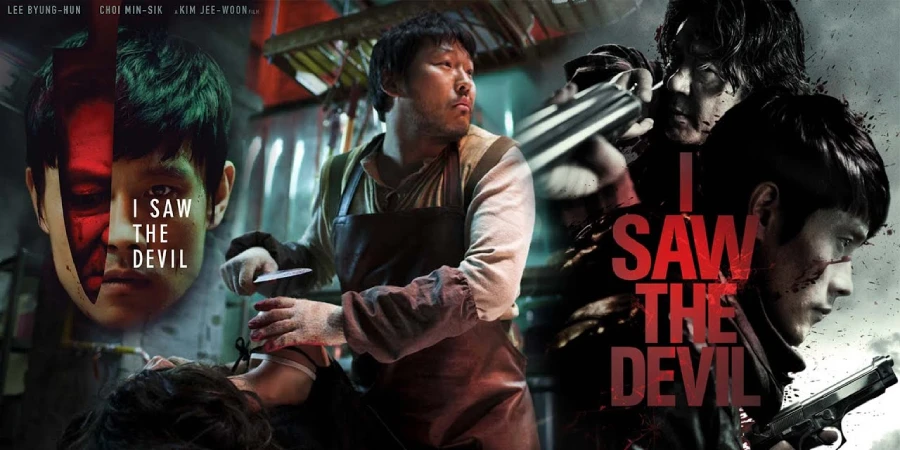
South Korean thrillers are famous for their intensity, and I Saw the Devil is one of the most disturbing examples.
The film follows Kim Soo-hyun, a secret agent whose fiancée is brutally murdered by a sadistic serial killer named Jang Kyung-chul.
Instead of simply killing the murderer when he finds him, Soo-hyun chooses a different path.
He captures the killer, tortures him, releases him, and then hunts him down again.
This twisted cycle creates a brutal cat-and-mouse game where revenge slowly consumes both men.
With each confrontation becoming more violent and personal, the story grows increasingly disturbing.
The film’s relentless pacing comes from its emotional intensity and the terrifying unpredictability of its characters.
2. Taken (2008)
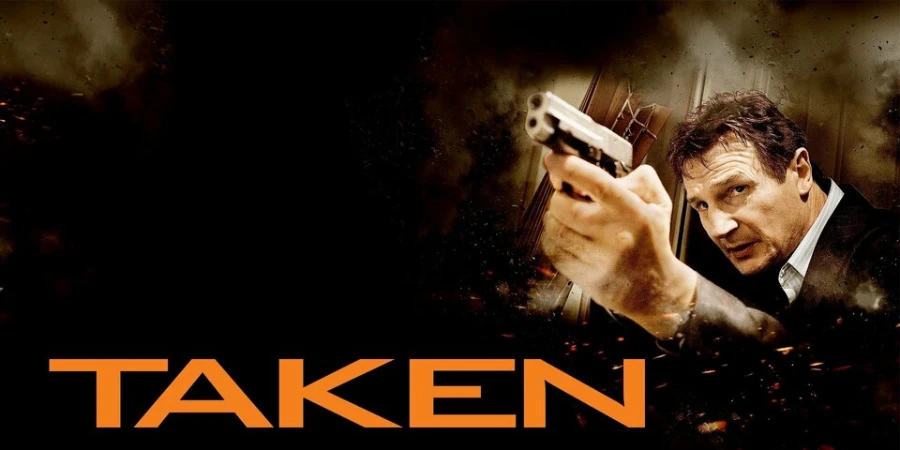
Taken begins with one of the most famous phone calls in movie history.
Bryan Mills, a retired CIA operative, learns that his teenage daughter has been kidnapped by a human trafficking ring while traveling in Paris.
During the call, he delivers a chilling promise to the kidnappers.
Then he begins the hunt.
With only a short window before his daughter disappears forever, Bryan travels to France and systematically tears through the criminal network responsible.
The film wastes almost no time on unnecessary exposition.
Instead, it focuses entirely on Bryan’s relentless pursuit.
Every lead pushes him deeper into the city’s dangerous underworld, creating a fast-moving thriller driven by desperation and determination.
1. The Bourne Ultimatum (2007)
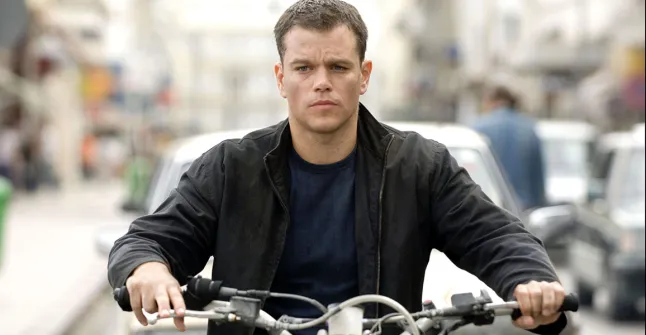
At the top of the list sits one of the most influential action thrillers ever made.
The Bourne Ultimatum follows Jason Bourne as he continues searching for the truth about his past and the secret CIA program that turned him into a deadly operative.
When a journalist uncovers information about that program, Bourne attempts to make contact—but the CIA intervenes, forcing him back into hiding.
From there, the film becomes a relentless chase across multiple countries.
Handheld camerawork, rapid editing, and intense close-quarters action create a documentary-like realism that keeps the tension high.
Every scene serves a purpose. Every conversation leads to new danger.
Instead of dominating situations, Bourne is constantly reacting and adapting, which gives the film a unique sense of urgency.
The result is a thriller that moves with incredible momentum from start to finish.
Final Thoughts
Fast-paced thrillers remind us that tension doesn’t always require patience. Sometimes the most powerful storytelling comes from momentum.
When a movie refuses to slow down, the audience becomes fully immersed in the experience—feeling every decision, every mistake, and every narrow escape.
And when that momentum is handled with precision, the result is the kind of adrenaline-fueled storytelling that keeps viewers on the edge of their seats until the very last frame.