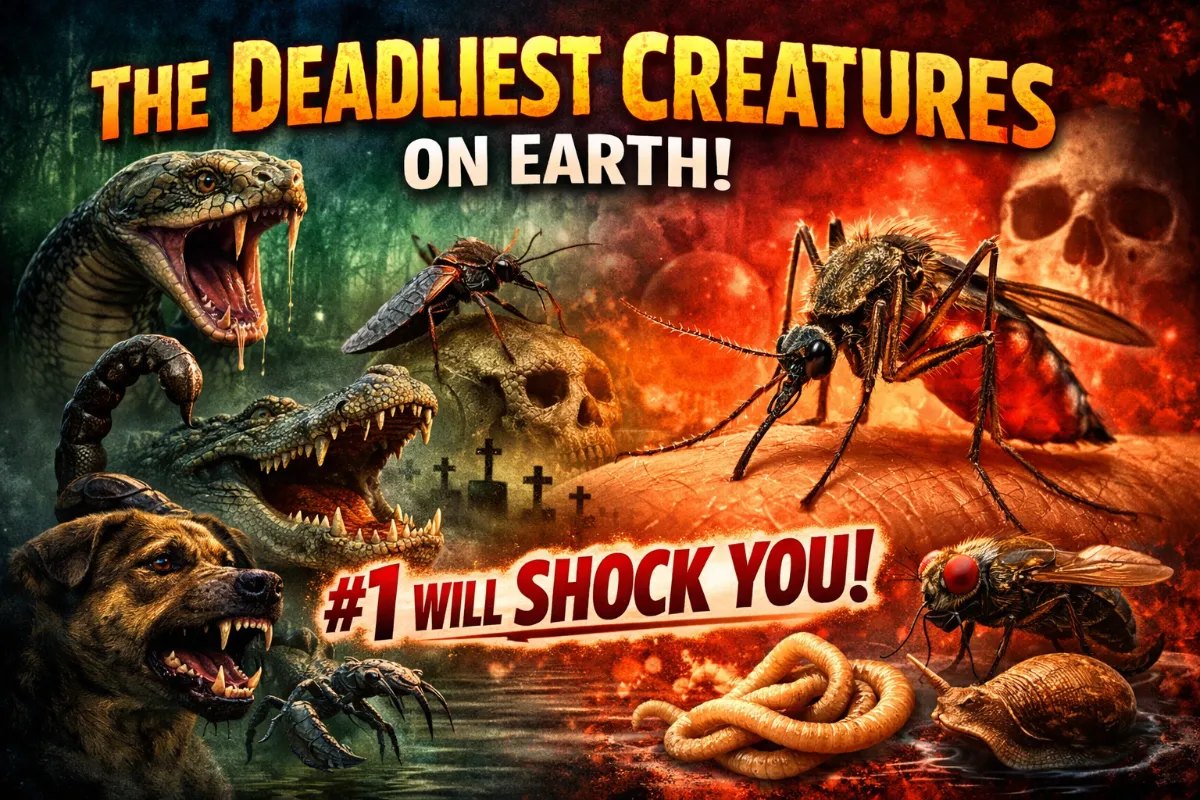
When people imagine the most dangerous animals on Earth, they usually picture giant predators — creatures with razor-sharp teeth, massive claws, and terrifying strength.
But the truth is far stranger.
Many of the creatures responsible for the most human deaths each year are not the animals we fear the most. Some are tiny. Some are parasites you may never see. Some are insects that seem harmless until they transmit deadly diseases.
The most dangerous creatures on Earth are often the ones we barely notice — and the numbers behind them are astonishing.
Below is a countdown of ten creatures responsible for thousands, even hundreds of thousands, of human deaths each year. The list begins with number ten and moves toward the shocking number one — a creature so small it can sit unnoticed on your skin.
10. Crocodiles — Around 1,000 deaths per year
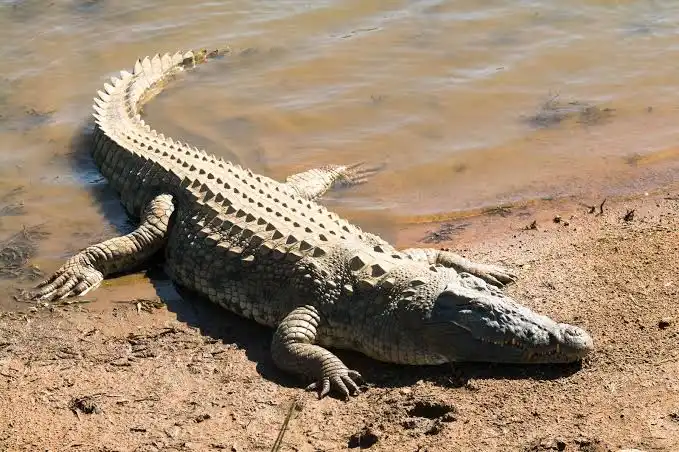
Crocodiles are among the oldest predators still living on Earth today. Their ancestors existed more than 200 million years ago, long before humans appeared.
These reptiles are masters of patience and ambush. Often invisible beneath murky water, crocodiles wait quietly near riverbanks where animals — and sometimes humans — come to drink, bathe, fish, or collect water.
When prey gets close enough, the crocodile strikes with explosive speed. Its powerful jaws clamp down instantly, and victims are often dragged underwater in a maneuver known as the “death roll.”
In parts of Africa, Southeast Asia, and northern Australia, crocodile attacks are still a real danger for communities that depend on rivers for daily life. While many people fear sharks, crocodiles actually cause far more fatal attacks each year.
9. Tapeworms — Around 2,000 deaths per year
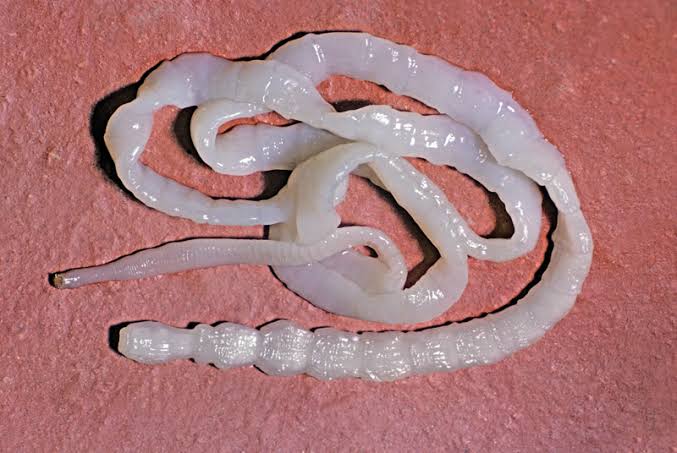
Tapeworms are parasites that live inside the bodies of humans and animals. While many infections cause mild symptoms, some species can lead to serious and even fatal health conditions.
One of the most dangerous forms occurs when tapeworm larvae invade the brain, causing a disease called neurocysticercosis. This condition can trigger seizures, neurological damage, and sometimes death.
Infections often happen when food or water becomes contaminated, particularly in regions with poor sanitation or limited access to medical treatment.
The unsettling truth is that a creature only a few millimeters wide can grow inside the human body and silently cause severe illness.
8. Roundworms — Around 2,500 deaths per year

Roundworms are another type of parasitic worm that infects humans, especially in parts of the world where sanitation systems are limited.
The disease caused by these parasites, known as ascariasis, spreads through contaminated soil, food, or water. Once inside the body, the worms can grow in the intestines and cause a range of health problems.
In severe cases, infections can lead to malnutrition, intestinal blockage, or complications affecting other organs.
Roundworm infections are extremely common worldwide, affecting hundreds of millions of people, though most cases are treatable with proper medical care.
7. Scorpions — Around 3,300 deaths per year
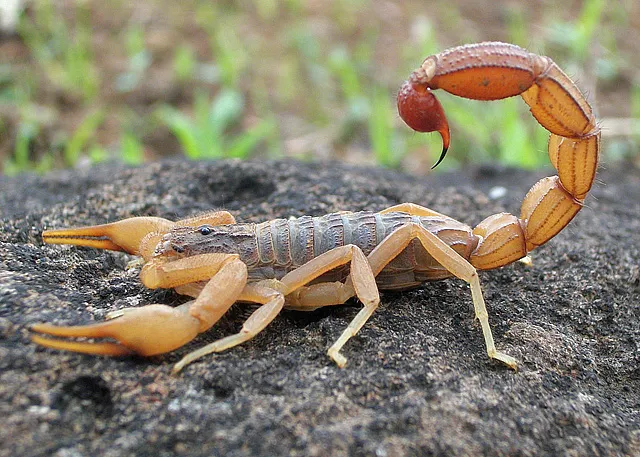
Scorpions are ancient creatures that have existed for hundreds of millions of years. Despite their small size, they are equipped with a venomous sting used for both hunting and defense.
Most scorpion species are not dangerous to humans. However, a small number possess venom strong enough to cause severe reactions.
In regions such as North Africa, the Middle East, India, and parts of Latin America, scorpion stings are a significant health concern. Children, the elderly, and people with weakened immune systems are particularly vulnerable.
Each year, thousands of people die from scorpion stings — a reminder that even the smallest creatures can carry powerful defenses.
6. Assassin Bugs (Kissing Bugs) — Around 10,000 deaths per year
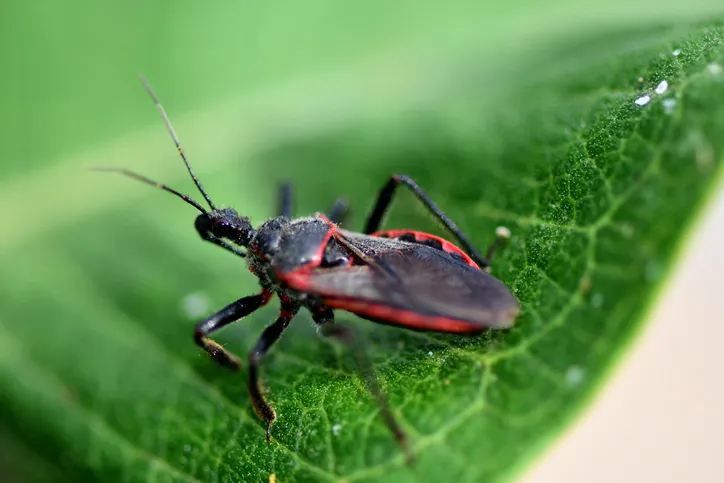
Assassin bugs, sometimes called kissing bugs, may look like ordinary insects. But they are carriers of a deadly parasite that causes Chagas disease.
These insects often bite humans near the face while they sleep, which is how they earned their nickname. The real danger comes not from the bite itself, but from parasites transmitted through the insect’s droppings.
When the parasite enters the body — often through the bite wound or when a person unknowingly rubs the area — it can infect the bloodstream and internal organs.
Chagas disease can cause severe heart and digestive problems, and it is responsible for thousands of deaths each year, particularly in Latin America.
5. Freshwater Snails — Around 20,000 deaths per year
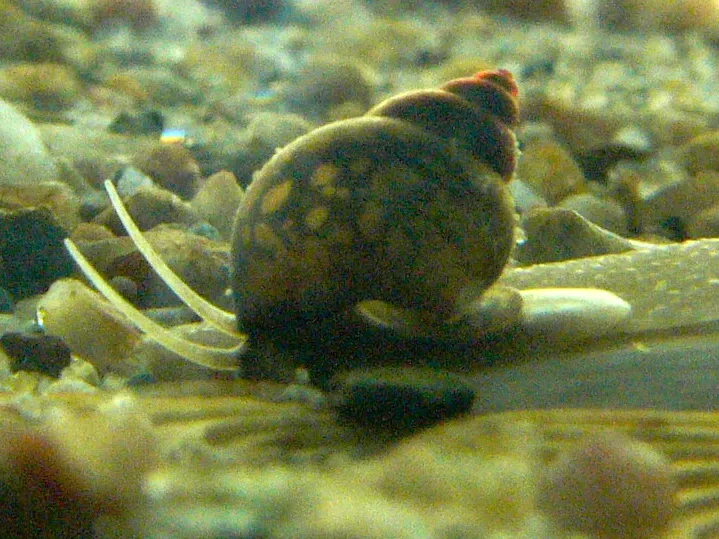
It may seem impossible that a slow-moving snail could be responsible for so many deaths.
But freshwater snails act as hosts for parasites that cause schistosomiasis, a disease that affects millions of people worldwide.
The parasites are released into water and can penetrate human skin when people swim, bathe, or work in contaminated rivers and lakes.
Once inside the body, the parasites can damage organs, cause chronic illness, and lead to severe complications if untreated.
The danger is not the snail itself — but the microscopic parasites it carries.
4. Dogs — Around 35,000 deaths per year

Dogs are known as humanity’s most loyal companions. Across the world, they provide friendship, protection, and assistance.
However, in many regions where vaccination programs are limited, dogs can also spread rabies, one of the deadliest viral diseases known.
Rabies attacks the nervous system and, once symptoms appear, it is almost always fatal.
Most rabies infections occur after bites from infected dogs. The disease remains a serious problem in parts of Asia and Africa, where access to vaccines and medical care may be limited.
Despite their friendly reputation, dogs are responsible for tens of thousands of human deaths each year due to this preventable disease.
3. Snakes — Around 100,000 deaths per year
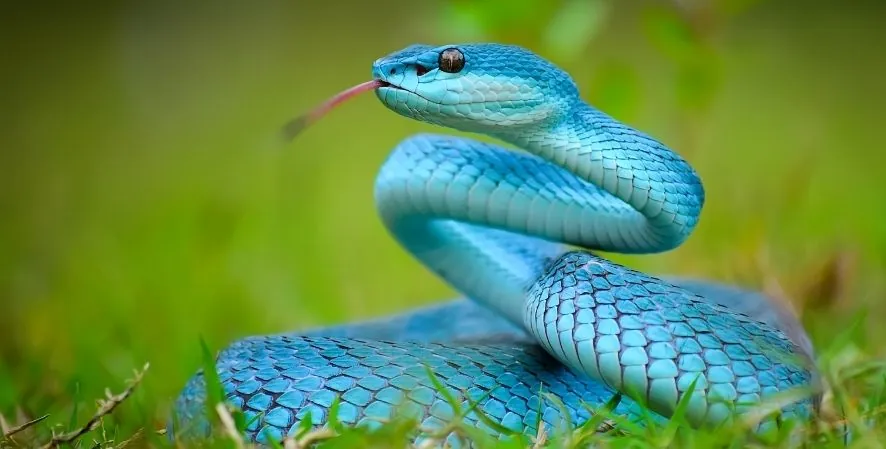
Snakebite is one of the most underestimated health dangers in the world.
Venomous species such as cobras, vipers, and kraits possess powerful toxins that attack the nervous system or destroy tissue. Without prompt treatment, many bites can be fatal.
Snakebite deaths are particularly common in rural agricultural regions where people work barefoot in fields or sleep on the ground.
The tragedy is that most of these deaths are preventable. With timely access to antivenom and proper medical care, many victims could survive.
Yet every year, tens of thousands of people still die from snakebites worldwide.
2. Tsetse Flies — Around 10,000 deaths per year
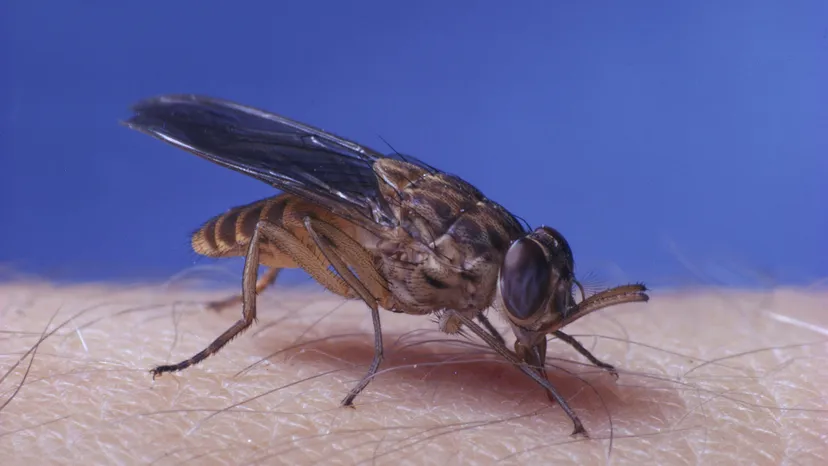
The tsetse fly is found primarily in sub-Saharan Africa. While it may look like an ordinary fly, it carries a dangerous parasite responsible for African sleeping sickness.
When an infected tsetse fly bites a person, the parasite enters the bloodstream and eventually attacks the nervous system.
Early symptoms include fever, headaches, and fatigue. As the disease progresses, it disrupts the body’s sleep cycle, causing confusion, neurological damage, and eventually death if untreated.
Efforts to control the spread of the disease have reduced cases significantly in recent years, but it still remains a threat in certain regions.
1. Mosquitoes — Around 725,000 deaths per year
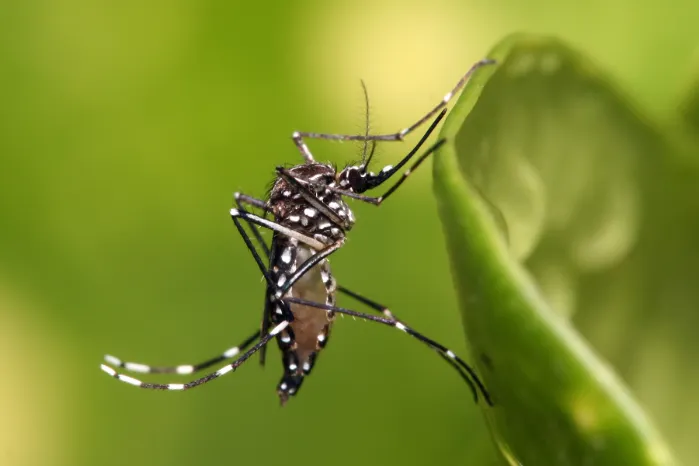
And finally, we arrive at the most dangerous creature on Earth.
It isn’t large. It doesn’t roar. It doesn’t stalk its prey.
It’s the mosquito.
Despite its tiny size, the mosquito is responsible for more human deaths than any other creature on the planet.
Mosquitoes transmit several deadly diseases, including:
- Malaria
- Dengue fever
- Yellow fever
- Zika virus
- West Nile virus
Among these, malaria alone kills hundreds of thousands of people each year, most of them young children in developing countries.
The mosquito’s power lies not in its bite, but in the microscopic pathogens it carries from one person to another.
A creature that weighs less than a grain of rice has become the most lethal animal humanity has ever faced.
The Real Danger Often Comes from the Smallest Creatures
This list reveals a surprising truth about the natural world.
The animals that dominate our fears — giant predators and terrifying beasts — are not responsible for the most human deaths.
Instead, the greatest threats often come from:
- insects
- parasites
- disease carriers
- and organisms too small to notice.
The deadliest creature on Earth is not the strongest or the largest.
It’s the one buzzing quietly in the dark — almost too small to see.