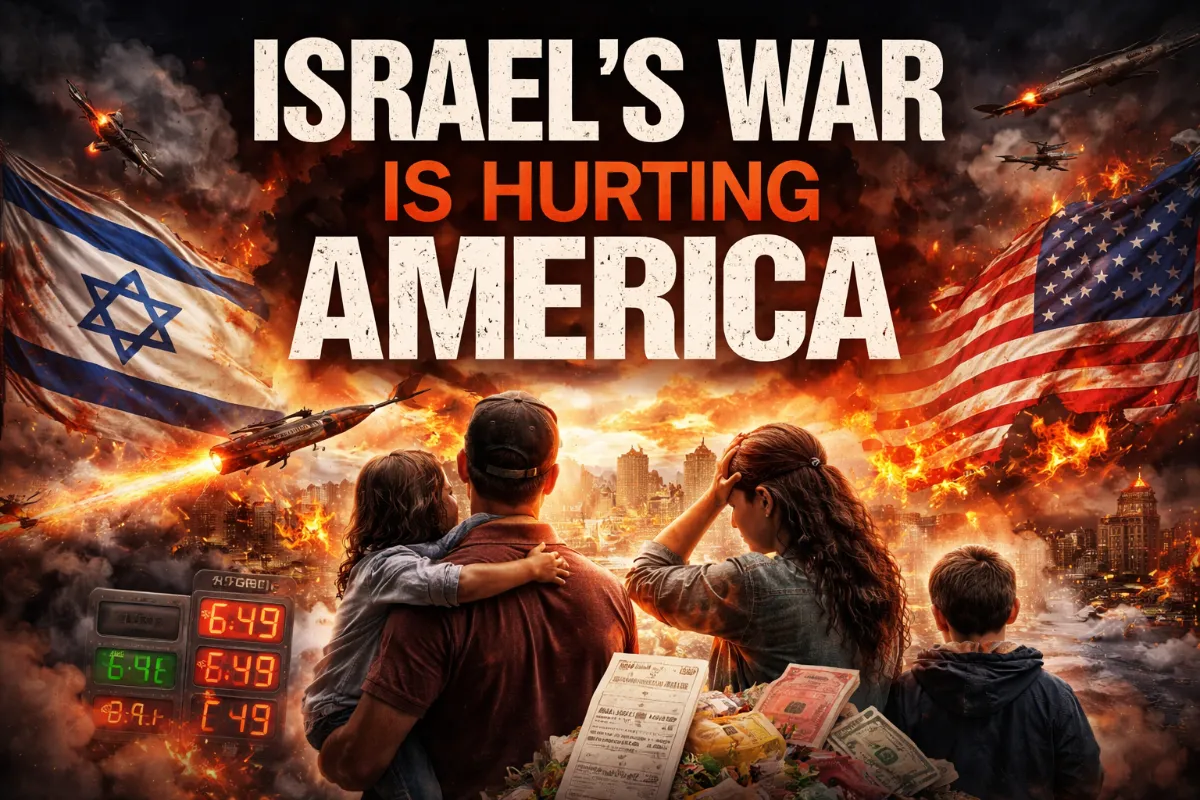
That’s how Hamid Dabashi framed it — not as a distant geopolitical clash, but as something far more unsettling.
Hamid Dabashi is an Iranian-American professor of Iranian studies and comparative literature at Columbia University in New York City.
At first, it sounds exaggerated. Even provocative.
How can a war involving the United States and Iran somehow be against America itself?
But sit with it for a moment — and the question starts to shift.
What if this isn’t really about protecting American people?
What if it’s not even about American interests in the way it’s being sold?
What if the United States is being pulled into a conflict that serves priorities far beyond its own citizens — a conflict where the costs are American, but the driving force lies elsewhere?
Because that’s the core of what Dabashi is arguing.
He’s pointing at a pattern — one where U.S. foreign policy in the region has repeatedly aligned with Israeli strategic goals, even when those decisions come with massive economic, political, and human consequences for Americans themselves.
In that framing, the war stops looking like a simple alliance.
It starts looking like influence.
Like pressure.
Like a system where one country’s agenda can steer another into conflict — regardless of what its own people actually want.
And that’s where the statement hits hardest.
Because if a war is shaped by external priorities, carried out in your name, and paid for by your people — then who is it really for?
That’s what we’re about to break down.
The war involving Israel and Iran isn’t some far-off geopolitical drama playing out on a map. It’s not just missiles, alliances, and carefully crafted statements from podiums.
It’s a decision — and it’s one that millions of Americans are being dragged into without their consent.
Call it strategy. Call it alliance. Call it whatever makes it easier to sell.
But don’t call it democratic.
A War Americans Didn’t Ask For — But Will Pay For
There’s a pattern here, and it’s impossible to ignore.
The public grows more skeptical of war. People question intervention. They push back against the idea of endless conflict. They remember Iraq. Afghanistan. The promises that never held, the costs that never stopped.
And yet — somehow — the wars keep coming.
Not because people demanded them.
Not because there was overwhelming public support.
But because decisions were made anyway.
Behind closed doors. In the language of “security” and “partnership.” In conversations the public is never truly part of.
This isn’t representation.
This is imposition.
You Don’t Get a Vote — Just the Bill
Here’s how it works.
You don’t get to decide whether the war happens.
You don’t get a meaningful say in escalation.
What you do get… is the cost.
You get higher fuel prices.
You get rising inflation.
You get budgets that somehow always have room for war — but not for the things you actually need.
And no one asks if you’re okay with that trade.
Because your role isn’t to approve the war.
Your role is to absorb it.
Power Acting Without Permission
This is the part that should make people uncomfortable.
What does it say about a system when it can commit to conflict without clear public backing — and keep escalating anyway?
What does it say when opposition doesn’t slow things down, doesn’t reshape the outcome, doesn’t even seem to matter?
At some point, you have to ask the question directly:
Who is this system actually listening to?
Because it doesn’t look like it’s the public.
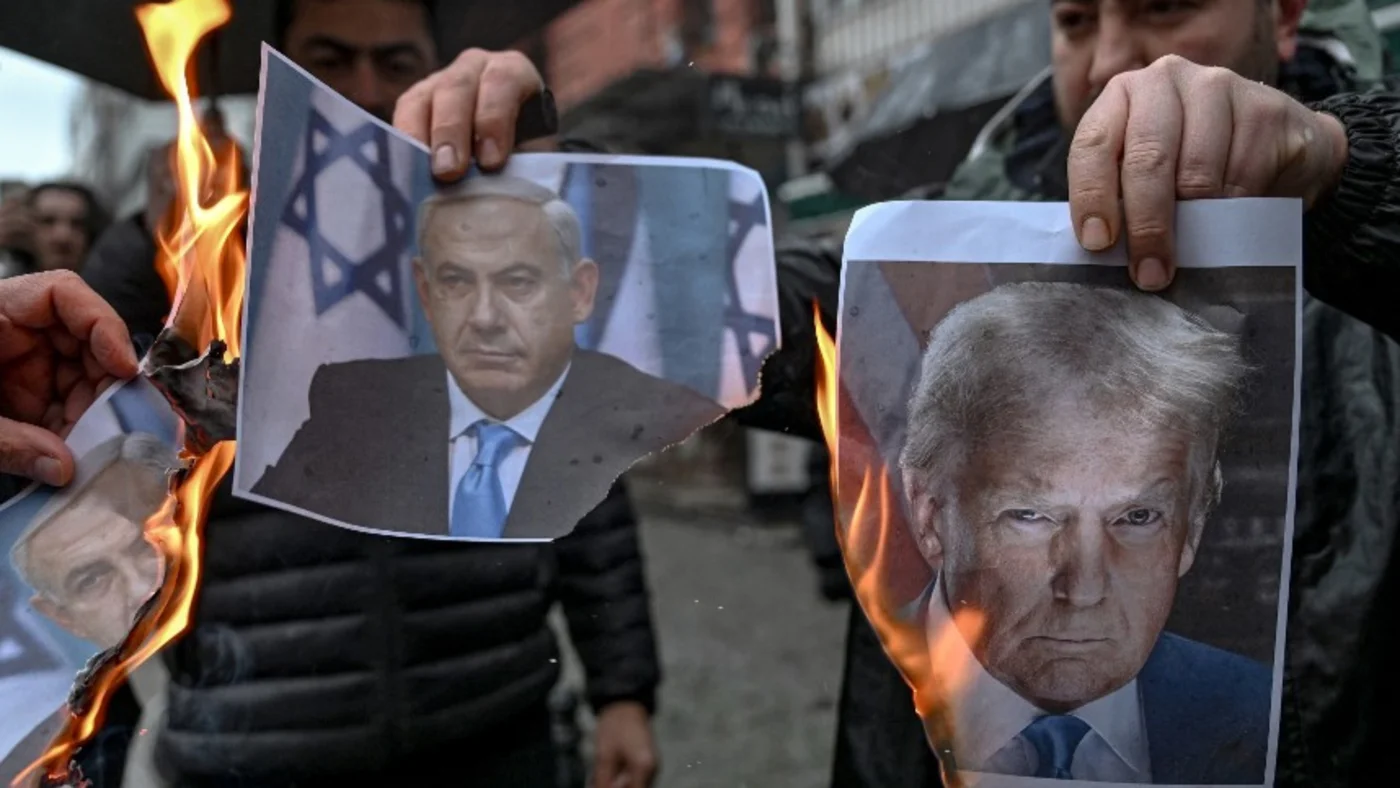
And once that disconnect becomes normal — once war becomes something that happens regardless of what people think — you’re no longer dealing with a functioning democratic check.
You’re dealing with power operating on its own terms.
The Fallout Doesn’t Stay “Over There”
There’s a lie embedded in how wars are sold:
That they stay contained.
They don’t.
They spread — economically, politically, globally. They destabilize regions, strain alliances, shake markets, and raise the stakes for everyone involved.
Including people thousands of miles away.
Especially them.
Because Americans aren’t just observers in this. They’re tied to it — through policy, through funding, through consequences they didn’t choose but are forced to live with.
This isn’t distance.
It’s entanglement.
A War Without Ownership
There’s something deeply wrong about being pulled into a war that doesn’t feel like yours.
No collective decision.
No shared conviction.
No moment where the country actually said: yes, this is necessary.
Just momentum.
Just escalation.
Just a sense that something massive is unfolding — and you’re stuck with it whether you agree or not.
That’s not unity.
That’s detachment.
The Narrative Is Breaking
Every war comes with a script.
It’s defensive.
It’s necessary.
It’s unavoidable.
But those words only work if people still believe them.
And belief is wearing thin.
Because when the cost hits home — when it shows up in daily life, when it contradicts public sentiment, when it feels imposed rather than chosen — the narrative stops holding.
People start to see the gap.
Between what they’re told and what they experience.
Between who decides and who pays.
Between power and accountability.
And once you see that gap, it’s hard to unsee.
This Isn’t Just Foreign Policy Anymore
This is the part that cuts through everything else:
A war doesn’t have to be fought on your soil to affect your life.
It just has to be fought in your name.
And that’s exactly what’s happening.
Decisions are being made. Risks are being taken. Consequences are unfolding.
Not with you.
Not for you.
But around you — and ultimately, on you.
So no, this isn’t just Israel’s war.
And it’s not just about Iran.
It’s about a system willing to pull millions into conflict without asking — and expecting them to carry the weight of it anyway.
And at some point, that stops being foreign policy.
And starts becoming something much closer to home.