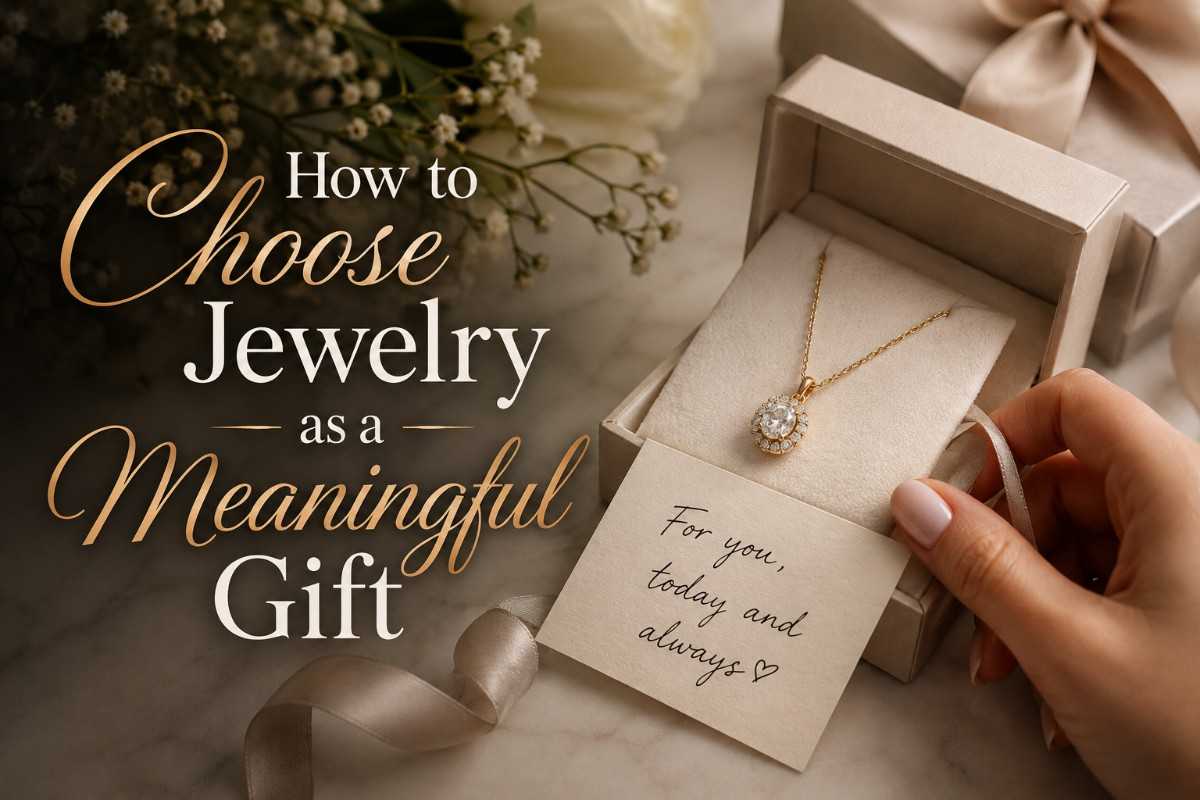
Some gifts get used and forgotten. Jewelry, chosen well, gets worn and remembered. There’s a reason a ring or necklace can carry weight far beyond its price tag, decades after the occasion that inspired it has faded from memory. That weight doesn’t come from the piece itself. It comes from what the piece represents, and that’s a very different thing to shop for than simply picking something pretty.
This isn’t a guide about sizing or style preferences, though those matter too. This is about the harder, more interesting question underneath them: what makes a piece of jewelry meaningful, and how do you choose one on purpose, rather than by accident.
Meaning Isn’t the Same as Expense
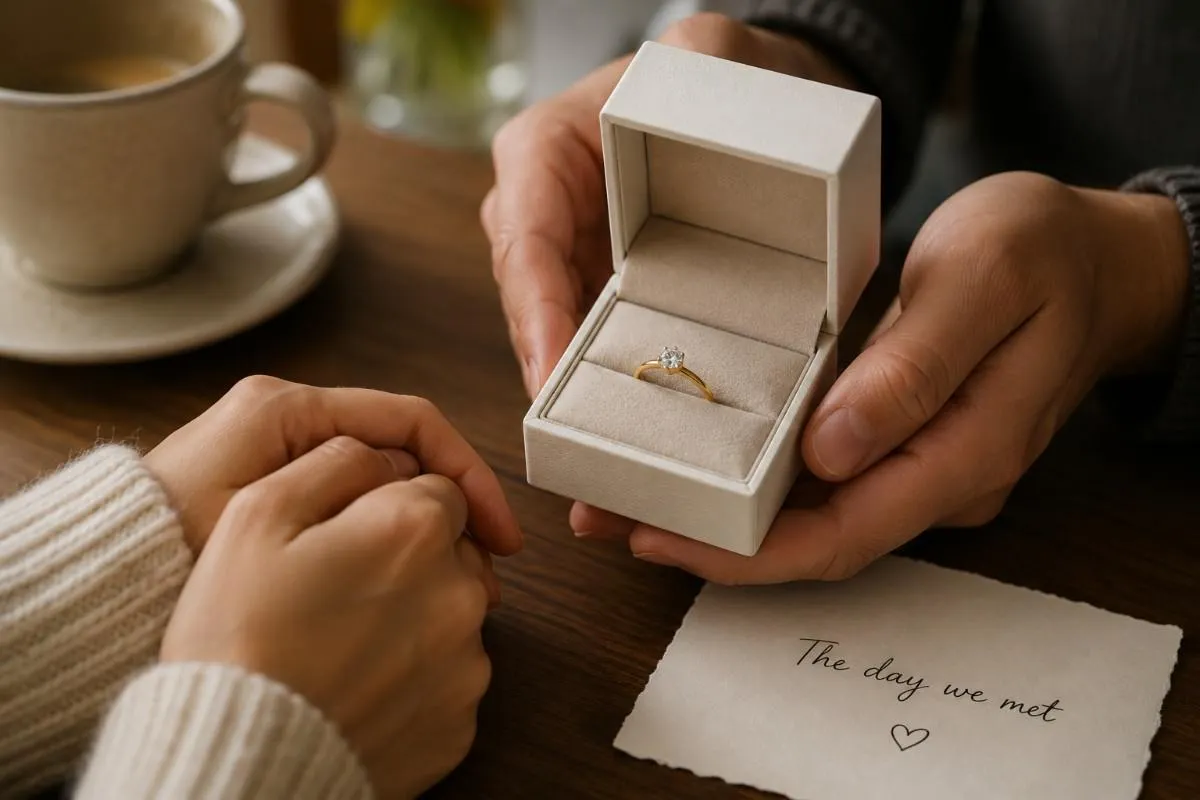
It’s tempting to think of significance scales with price, but that’s rarely how it actually works. A modest piece tied to a real story, a specific memory, or a genuine understanding of the person often means more than an expensive piece chosen without much thought behind it.
This matters because it changes where your effort should actually go. Instead of asking “what’s the most impressive thing I can afford,” a more useful question is “what does this piece need to say, and to whom.” That reframing changes the entire shopping process, and it usually leads somewhere far more personal than a showroom’s most expensive display case.
Symbolism Has a Long, Real History Worth Understanding
Jewelry has carried symbolic weight for thousands of years, long before it became a category people simply browse online. Understanding some of that history gives a gift more depth, even if the recipient never consciously thinks about it.
- Circles, the shape of most rings, have represented eternity and unbroken continuity across cultures for centuries, which is part of why a ring specifically, rather than another piece, became the standard symbol for lifelong commitment.
- Birthstones carry personal significance tied to the month someone was born, a tradition dating back centuries, offering a way to make a piece feel specifically tied to one person rather than universally generic.
- Three-stone designs have long represented a relationship’s past, present, and future, giving a purchase built-in narrative weight beyond simple aesthetics.
- Knots and interwoven designs, found across many cultures throughout history, traditionally symbolize connection and the joining of two lives or paths.
None of this means every meaningful gift need literal symbolism attached. But understanding these traditions gives you a genuine option: choosing a piece specifically because of what it represents, not just because it looks appealing in a photo.
The Story Behind the Piece Matters More Than People Expect
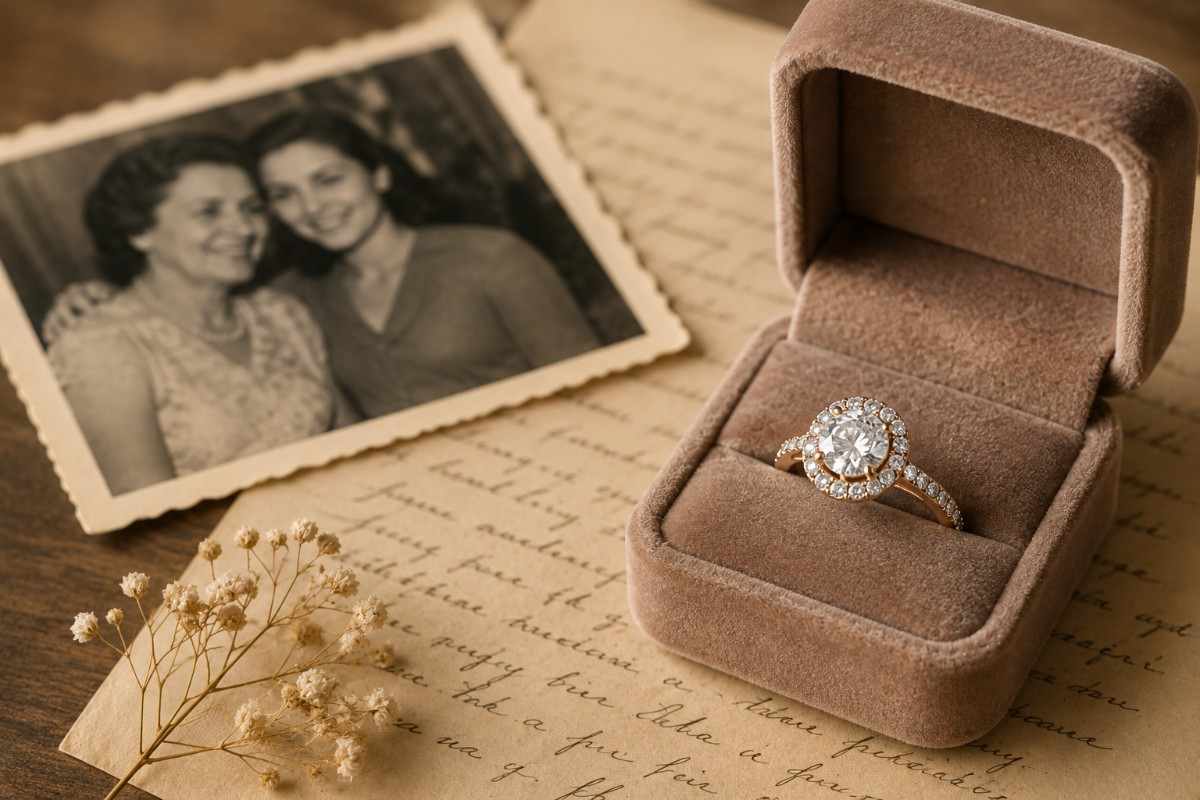
A piece of jewelry chosen with a specific memory or moment attached tends to mean more than one chosen purely for its appearance, even when the recipient can’t articulate exactly why. Maybe it echoes a piece an admired family member once wore. Maybe the stone shape connects to a place that matters to both of you. Maybe it marks a very specific, private milestone rather than a generic occasion.
This kind of intentional connection doesn’t need to be elaborate or perfectly planned. It just needs to be real. A design like something from the halo rings for women collection, for instance, might be chosen specifically because it echoes a grandmother’s ring style, or because the extra brilliance represents a bigger, brighter chapter beginning, rather than simply being the most popular option in a catalog.
Personalization Adds Weight Without Adding Noise
A few thoughtful personal touches can meaningfully deepen a piece’s significance, without turning the gift into something overly elaborate or performative.
- Engraving, whether a date, initials, or a short private phrase, transforms a piece from beautiful to specifically, unmistakably theirs.
- Matching an existing piece, like a family heirloom’s metal tone or stone shape, ties a new gift to something that already carries history.
- Choosing a stone with real personal relevance, like a birthstone or a shape connected to a shared memory, over the most generically popular option.
- Timing the gift intentionally, giving it on a date that holds specific private meaning rather than only a conventional calendar occasion.
None of these require significant extra cost. They require attention, which is really the entire point of a meaningful gift in the first place.
When Jewelry Marks a Genuine Life Transition
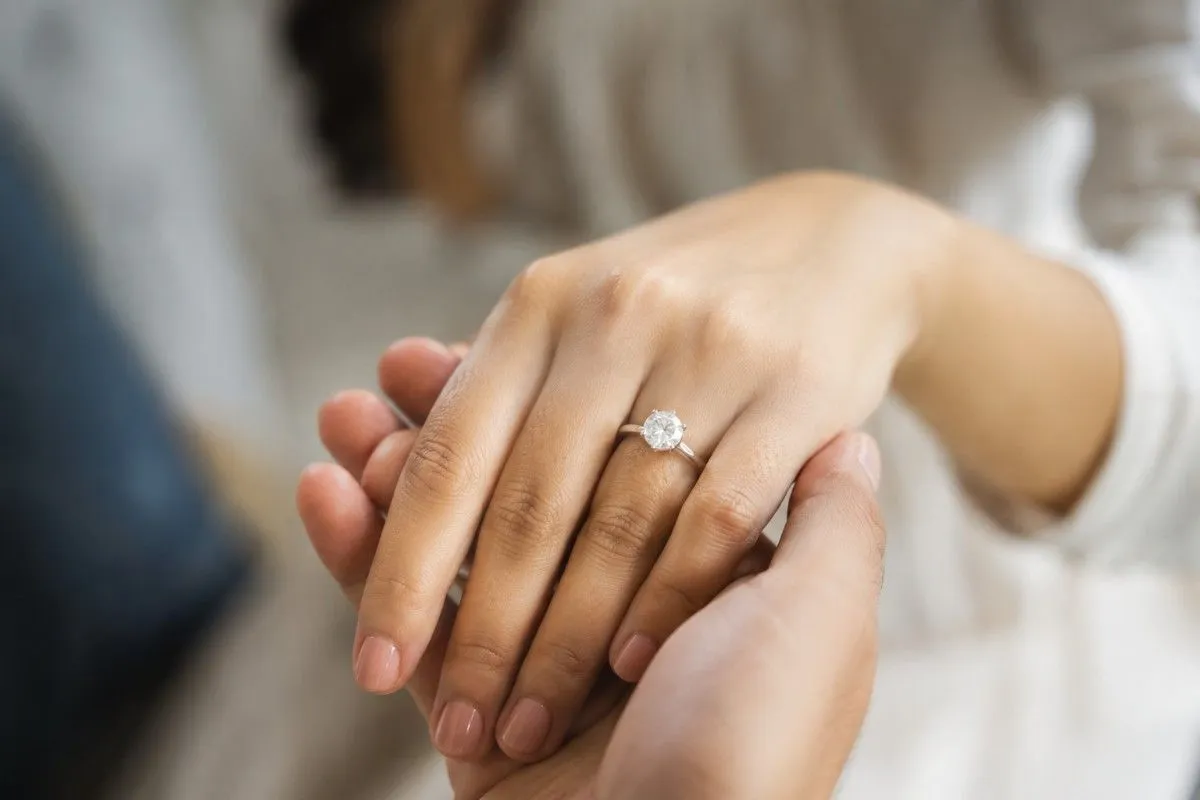
Certain moments carry enough weight that the jewelry chosen for them tends to be remembered specifically, not just generally. An engagement sits at the top of that list, precisely because it marks the start of a shared life, not just a single celebrated day.
This is part of why choosing an engagement ring for women collection deserves a different kind of thought than choosing a birthday gift. The piece isn’t just decorative. It becomes part of daily life for years or decades, worn through ordinary Tuesdays as much as significant anniversaries, which is exactly why meaning matters more here than almost any other jewelry purchase you’ll ever make.
A Few Questions Worth Sitting with Before You Buy
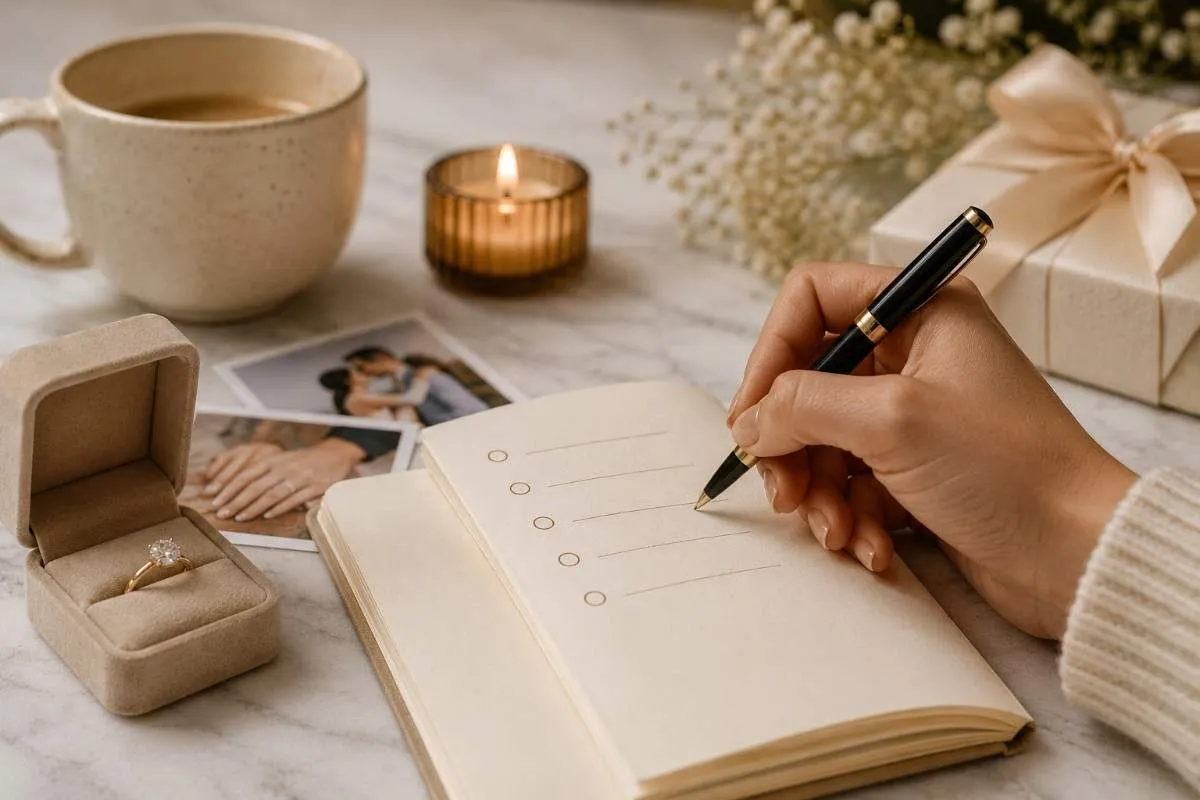
Rather than starting with catalogs and price filters, a few reflective questions tend to lead toward a more meaningful choice.
- What does this specific moment actually represent, beyond the general occasion it falls under?
- Is there a real story, memory, or connection this piece could honor, rather than simply match?
- What has this person actually said they love, even in passing, that a catalog search might miss entirely?
- Would this piece still feel right in twenty years, once the immediate occasion has faded into memory?
These questions take more time than scrolling on a bestseller list, but they tend to produce choices people treasure, rather than simply appreciate politely.
Frequently Asked Questions
1. Does a meaningful jewelry gift need to be expensive?
Ans.No. Significance comes from thoughtfulness, story, and personal relevance far more than price. A modest piece chosen with real intention often means more than an expensive one chosen without much thought.
2. What’s a simple way to add meaning to a jewelry gift?
Ans. Engraving a date, initials, or a short private phrase is one of the most effective ways to personalize a piece without adding significant cost or complexity to the gift itself.
3. Why do birthstones matter for meaningful gifts?
Ans. Birthstones tie a piece specifically to the recipient, rather than being a universally generic choice, drawing on a tradition that dates back centuries and adds a layer of personal relevance.
4. How is choosing an engagement ring different from other jewelry gifts?
Ans. An engagement ring marks a life transition and gets worn daily for years or decades, which is why meaning and personal fit matter even more here than with most other jewelry purchases.
5. What questions should I ask myself before buying meaningful jewelry?
Ans. Consider what the moment represents, whether there’s a real story or memory the piece could honor, what the person has genuinely expressed love for, and whether the piece would still feel right for many years from now.
The Bottom Line
Choosing jewelry as a meaningful gift isn’t really about finding the right product. It’s about understanding what a specific moment, relationship, or memory actually needs to be honored well. Symbolism, personalization, and genuine attention to the person receiving it matter far more than price or popularity ever will. Get that part right, and the piece stops being simply jewelry. It becomes something they’ll still be telling the story of decades from now.