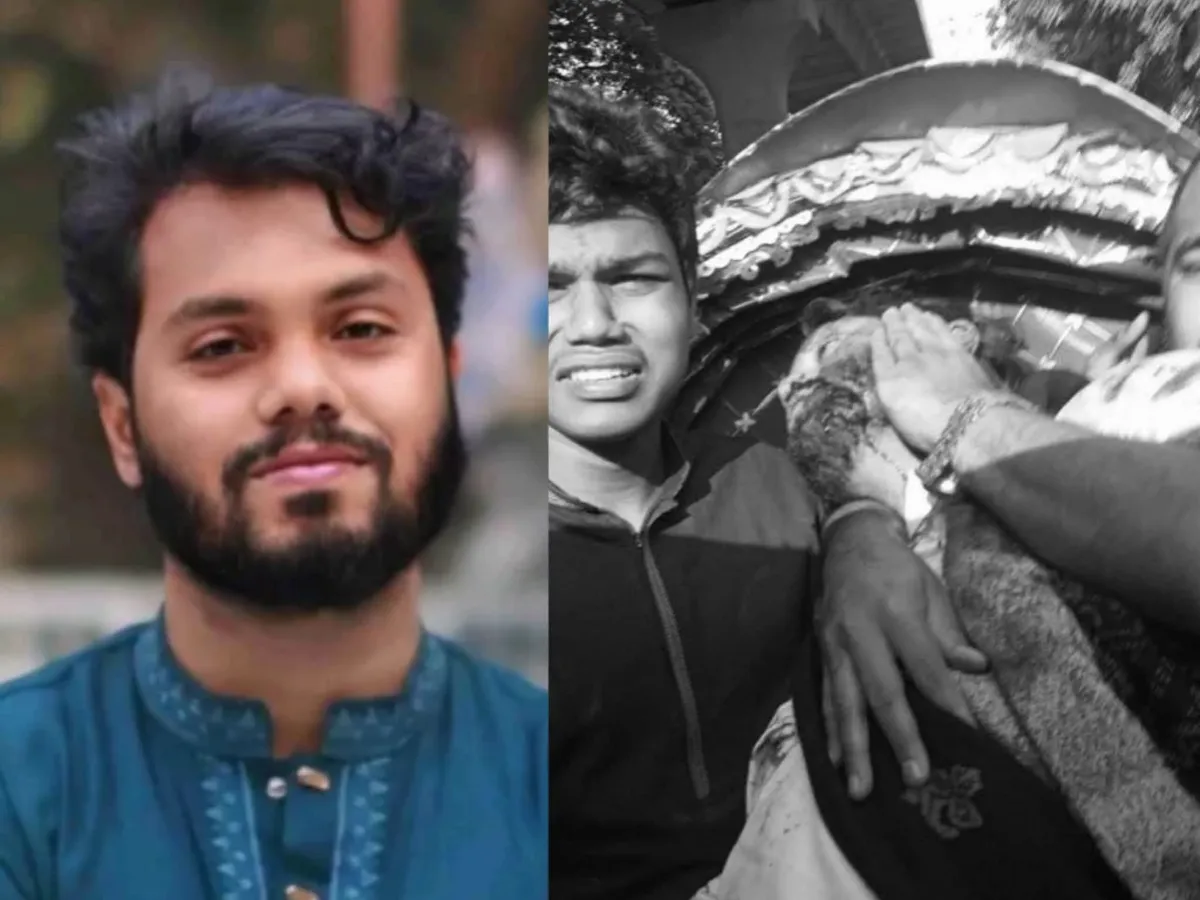
Sharif Osman Hadi was a 32-year-old Bangladeshi political activist whose death has triggered widespread protests and unrest across the country, plunging Bangladesh into one of its most volatile moments since last year’s student-led uprising.
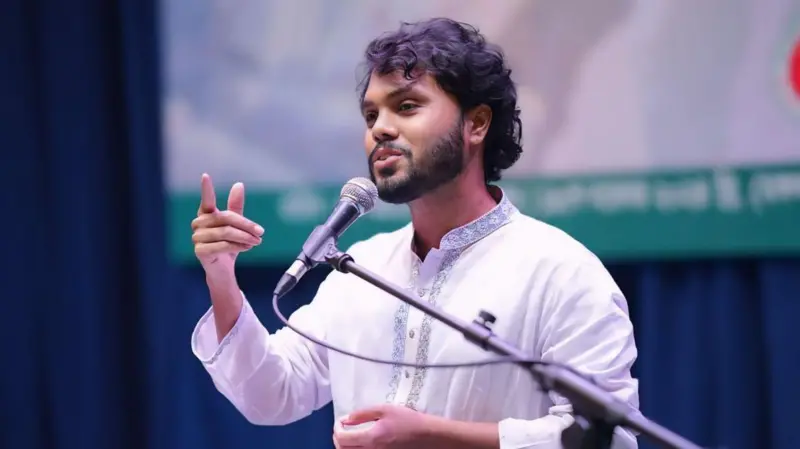
Hadi rose to national prominence during the 2024 movement that toppled long-time prime minister Sheikh Hasina after months of mass demonstrations. As a spokesperson for Inquilab Mancha, or the Platform for Revolution, he became a recognisable face of the protest generation, known for his uncompromising criticism of the old political order and his insistence that the uprising must translate into structural political change.
Unlike many activists who stepped back after the fall of the government, Hadi moved in the opposite direction. He argued that street movements alone were insufficient and that activists needed to enter formal politics to prevent a return to authoritarianism. In the weeks before his death, he announced plans to run as an independent candidate for the Dhaka-8 parliamentary seat in the February 2026 elections.
How Did He Die?
On December 12, Hadi was shot in Dhaka by assailants riding a motorcycle while he was beginning campaign-related activities. The attack left him critically injured and sent shockwaves through political circles.
He was initially treated in Bangladesh before being transferred abroad for advanced medical care. Despite intensive treatment, he succumbed to his injuries on December 18.
Authorities later released images of suspected attackers and announced rewards for information leading to arrests. Investigations remain ongoing, but no conclusive findings have yet been made public.
Why Did His Death Spark Nationwide Unrest?
The announcement of Hadi’s death acted as a catalyst for widespread anger that had been building beneath the surface since the upheavals of the previous year. Protests erupted almost immediately in Dhaka and rapidly spread to other major cities.
Demonstrators blocked roads, clashed with security forces, and targeted political party offices. Several major newspaper buildings were vandalised, forcing printing presses to shut down after mobs stormed their premises. The attacks on media outlets reflected growing public distrust toward institutions seen as aligned with entrenched power structures.
Foreign influence quickly became part of the narrative on the streets. Protesters raised anti-India slogans and circulated claims that those responsible for the killing had fled across the border. While such allegations remain unverified, they resonated with long-standing anxieties about sovereignty and external interference in Bangladesh’s political life.
As unrest intensified, authorities deployed additional troops and security forces across urban centres in an effort to restore order. Despite these measures, demonstrations continued, driven by demands for justice and accountability.
The Political Context
Bangladesh is currently governed by an interim administration led by Nobel Peace Prize laureate Muhammad Yunus, installed after Sheikh Hasina’s removal from power. The interim government is tasked with stabilising the country and overseeing a transition toward national elections.
However, its position remains precarious. Supporters of the protest movement accuse the administration of moving too slowly to dismantle networks associated with the former regime, while others warn that prolonged instability could undermine the prospects of democratic recovery.
The political environment is further complicated by the decision to bar Sheikh Hasina’s Awami League from participating in the upcoming elections, a move that has deepened divisions and heightened tensions. In this climate, the killing of a high-profile opposition figure has reinforced fears that political violence remains a tool of influence.
A Symbol Beyond One Life
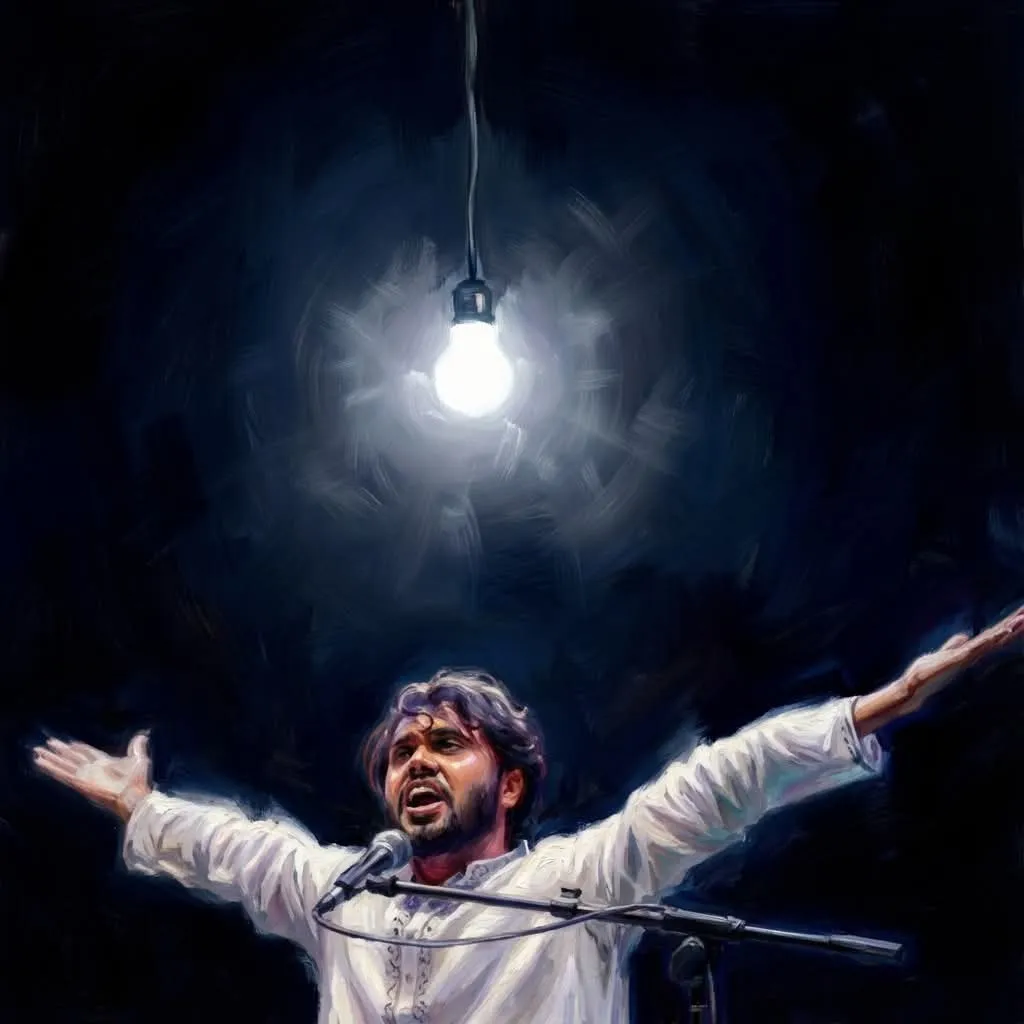
In response to Hadi’s death, the government declared a national day of mourning and promised a transparent investigation. Yet public skepticism remains high, shaped by decades of unresolved political killings and unfulfilled promises of justice.
For many Bangladeshis, Sharif Osman Hadi’s death has come to symbolise more than the loss of an individual. It represents the fragility of the post-uprising moment and the unresolved struggle over who controls the country’s political future.
Whether Bangladesh emerges from this crisis with renewed democratic momentum or sinks deeper into instability will depend on whether accountability follows outrage — and whether the ideals that brought millions into the streets last year can survive the return of fear, violence, and uncertainty.