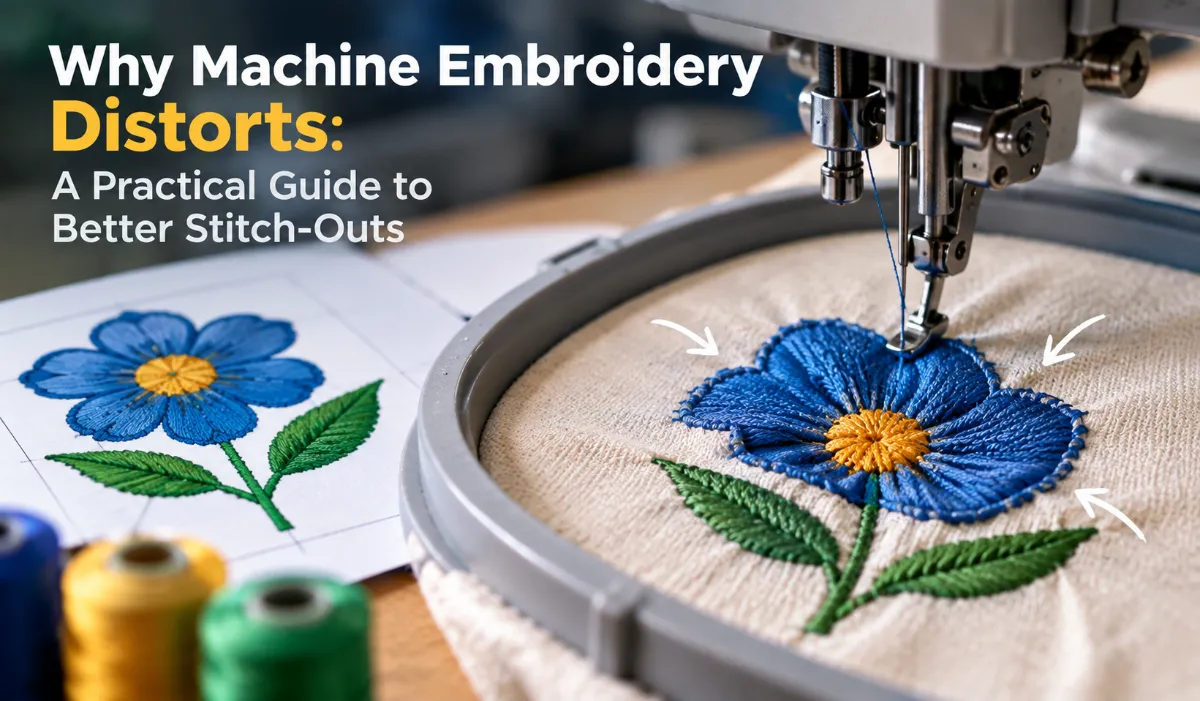
There is a simple reason a perfect-looking digital design can produce an imperfect stitch-out: embroidery is affected by physical forces. The needle, thread, fabric, and stitch structure all interact during production. Proper pull and push compensation helps a digitizer prepare for these changes.
Start With the Fabric
Before making stitch decisions, identify the material being embroidered. A firm fabric needs different planning from a stretchy or soft garment.
Fabric selection affects:
- Stabilizer requirements
- Stitch density
- Underlay
- Compensation
- Design size
- Final appearance
Ignoring the material can lead to unnecessary distortion.
Watch Narrow Areas
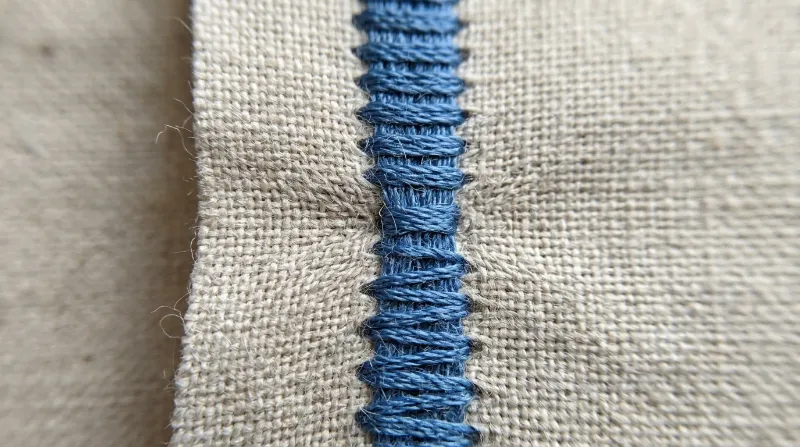
Satin columns are especially sensitive to pull. If a column is too narrow, the stitches may draw it inward and make it look even thinner after sewing.
Adding controlled width can help maintain the intended shape.
Check Dense Sections
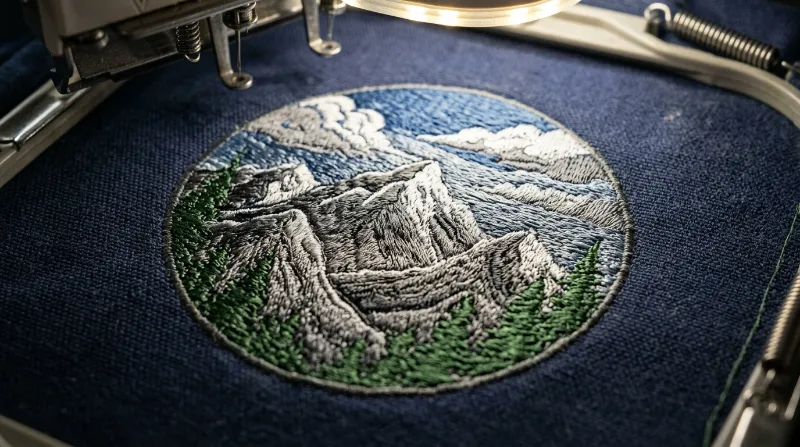
Filled areas can create outward pressure when they contain too many stitches. This push can affect nearby shapes and close small spaces.
A digitizer may solve the issue by changing density, spacing, stitch direction, or sequencing.
Follow a Compensation Guide
An embroidery digitizing compensation guide can help beginners understand where adjustments may be needed, but there is no single setting that works for every design.
The correct amount depends on several factors:
- Fabric type
- Stitch type
- Design dimensions
- Thread tension
- Density
- Underlay
- Machine setup
Compensation should support the design rather than replace good digitizing.
Test Before Production
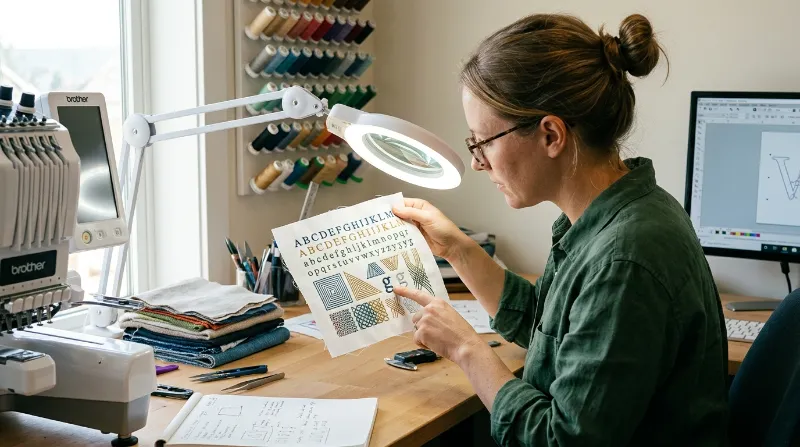
The most useful test is a sew-out on the intended fabric. It reveals problems that may not appear in the software preview.
Look closely at:
- Letter shapes
- Satin column width
- Small openings
- Borders
- Alignment
- Overall proportions
Then make targeted changes instead of changing the entire design.
Keep the Design Balanced
Good pull and push compensation is only one part of clean embroidery. Stitch direction, underlay, density, and sequencing all contribute to the final result.
When these elements work together, the design has a better chance of keeping its intended shape from the computer screen to the finished garment.